Over 1,300 OFWs brought home as Middle East heats up
Quick Take
- The Philippine government has assisted and repatriated over 1,300 overseas Filipino workers and their dependents from the Middle East as regional tensions escalate, with nearly 300 arriving from Dubai in one of the initial batches.
- For families dependent on OFW remittances — roughly ₱2.07 trillion in cash remittances in 2025, according to the Bangko Sentral ng Pilipinas — this isn’t just a geopolitical headline; it’s next month’s tuition payment suddenly in question.
- Watch whether this becomes a trickle or a flood, and whether the government’s reintegration programs can handle what’s coming.
The government calls it precautionary. Families call it terrifying.
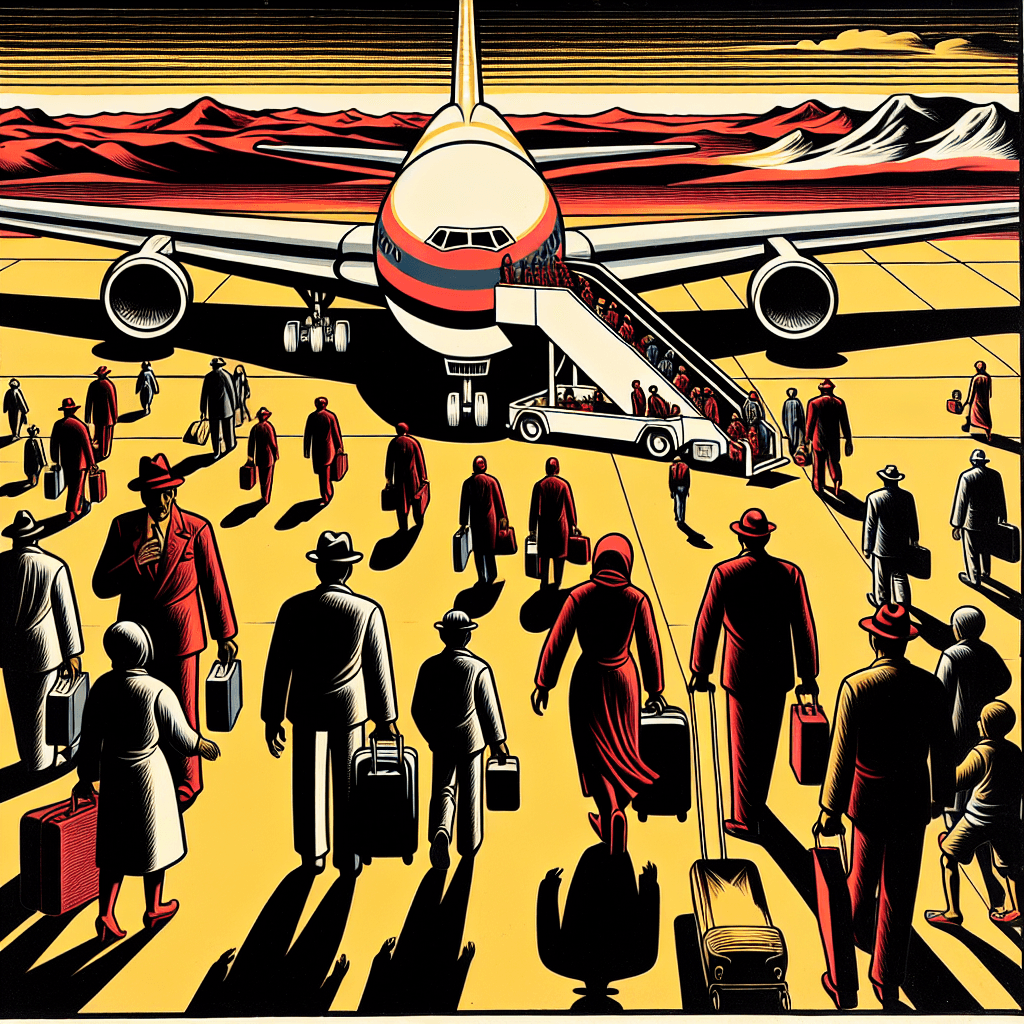
The Department of Foreign Affairs and the Department of Migrant Workers confirmed this month that more than 1,300 overseas Filipino workers and their dependents have been brought home from the Middle East in recent days, pulled from jobs in countries where the air feels heavier than usual.
When the Phone Rang at 3 a.m.
Imagine the call: pack what you can carry, the embassy says, there’s a flight in 48 hours. Leave the apartment you’ve lived in for six years. Leave the salary that paid for your daughter’s college and your mother’s dialysis. Leave because the situation, as they carefully phrase it, is “fluid.”
One early batch included nearly 300 Filipinos repatriated from Dubai. These aren’t tourists caught in the wrong place at the wrong time. These are breadwinners, many of them women working as domestic helpers, nurses, or in retail. The kind of Filipinos whose monthly remittances keep entire barangays afloat.
The repatriation follows weeks of rising tensions across the region — the kind that make foreign ministries nervous and migrant workers expendable. When governments start using words like “precautionary” and “voluntary,” families back home start doing math: how many months of savings are left, and what happens if this drags on.
The System That Made This Inevitable
Here’s what the headlines won’t tell you: the Philippines has been running one of the world’s most institutionalized labor migration systems for half a century. Roughly 2.16 million Filipinos were working abroad in 2023, according to the Philippine Statistics Authority. In 2024, overseas Filipinos sent home a record $38.34 billion in personal remittances, equivalent to about 8.3% of GDP, according to the Bangko Sentral ng Pilipinas. The economy doesn’t just benefit from this. It depends on it.
Which is why every time the Middle East — home to about 2.4 million Filipinos, according to DFA estimates cited in March 2026 reports — becomes unstable, the entire country holds its breath.
This isn’t the first time. During the Gulf War in 1990, the government evacuated over 30,000 Filipinos from Kuwait and Iraq. After the 2011 Libyan civil war, another 26,000 came home, according to reports. Each time, the state mobilized quickly, flew them out, gave them a heroes’ welcome at the airport, and then — quietly — left most of them to figure out what came next.
Because repatriation is the easy part. Reintegration is where the system breaks down.
What This Means for Your Household Budget
If you’re an OFW in the Gulf right now, your options are limited and all of them hurt. Stay, and you’re betting that your host country remains stable enough to keep paying you. Leave, and you’re walking away from a contract, possibly burning bridges with an employer, and coming home to a job market that wasn’t built for you.
If you’re a family member receiving remittances, the math is simpler and crueler. Based on PSA data cited in 2025 reporting on the 2023 Survey on Overseas Filipinos, the average OFW sent about ₱123,000 over six months, or roughly ₱20,500 a month. Lose that, and suddenly the rent is late, the tuition is unpaid, and the sari-sari store credit is maxed out.
The government offers livelihood and reintegration assistance for returning OFWs. On paper, it’s meant to help them start businesses or find local work. In practice, it’s underfunded, slow, and rarely matches the earning power they had abroad. A domestic helper in Saudi Arabia can make ₱25,000 to ₱30,000 a month, according to reports. Back home, the same work — if you can find it — pays reportedly far less.
That gap is why people go back, even when it’s dangerous.
Editor’s Take
The government will call this a success — swift action, no casualties, Filipinos brought home safely. And to be fair, the logistics were handled well. But repatriation without reintegration is just expensive theater. We fly them home, we take the photos, and then we leave them to fend for themselves in an economy that never built enough jobs for them in the first place. Kaya nga umalis sila. The question isn’t whether we can evacuate OFWs when the Middle East flares up. The question is whether we’ll ever build an economy where they don’t have to leave at all. Until then, we’re just rehearsing the same crisis every few years, calling it preparedness, and pretending it’s sustainable.
Sources
More than 1,300 Filipinos repatriated as Middle East tensions rise — Rappler
Over 300 Pinoys return from Bahrain, Saudi — Philippine Star
Over 1,300 OFWs, families repatriated from Middle East crisis — Philippine Star
Nearly 300 Filipinos from Dubai arrive in PH amid Middle East tensions — GMA News
What we know: Filipinos stranded, seeking return amid US-Israel war on Iran — Philippine Star
Remittances from overseas Filipinos hit all-time high in 2024 — Philippine News Agency
Annual Report 2023 — Bangko Sentral ng Pilipinas
OFWs rise to 2.19 million in 2024 — Philippine Star