Baguio hits 9°C as Cotabato sweats through 38°C weekend
Quick Take
- Baguio City’s temperature dropped to 9°C this weekend while Cotabato City’s heat index hit 38°C — both driven by the northeast monsoon’s uneven effects across the archipelago.
- The 29-degree gap between the country’s coldest and hottest spots this Saturday shows how amihan delivers comfort to some Filipinos while barely touching others.
- Watch whether this temperature divide widens as the cool season peaks in January and February.
The northeast monsoon is playing favorites, and the gap has never felt wider.
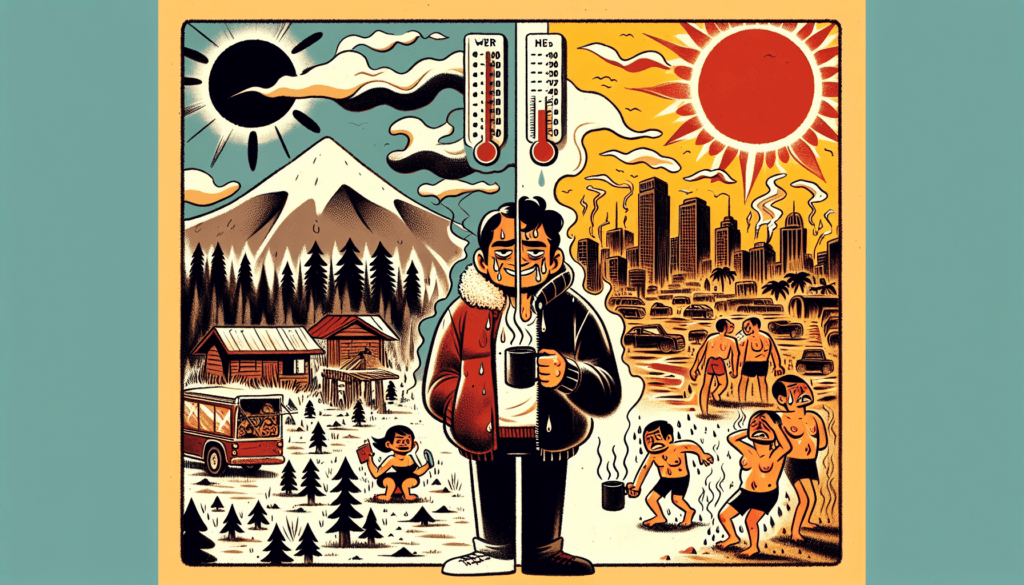
The same wind system brought two different Saturdays to the Philippines. In Baguio City, residents woke to 9°C mornings — cold enough for double blankets and that first cup of kapeng barako to feel like a small mercy. Meanwhile, 1,200 kilometers south in Cotabato City, the heat index climbed to 38°C by midday, the kind of afternoon where even the shade offers no real escape.
Both forecasts came from the same weather system: the amihan, or northeast monsoon, which typically ushers in the country’s cool, dry season from November through February.
Why One Wind Brings Two Seasons
The northeast monsoon doesn’t distribute its gifts evenly. As cold air from Siberia and northern China travels south across the Philippine Sea, it hits the Cordillera mountain range first. Baguio, perched at about 1,510 meters above sea level, catches the full brunt of that cooler air mass. The city’s elevation amplifies the effect — every 100 meters of altitude drops the temperature by roughly 0.65°C.
Cotabato City sits near sea level in Mindanao, shielded from the monsoon’s direct path by mountain ranges in the Visayas and northern Mindanao. What reaches Cotabato isn’t the cool northeast wind but its secondary effect: clear skies and intense solar radiation. Without cloud cover or rain to temper the heat, the sun beats down unfiltered. The heat index — what the temperature actually feels like when you factor in humidity — soared to 38°C. PAGASA defines heat index as the “feels-like” temperature based on actual air temperature and relative humidity.
This is the paradox of amihan season. The same weather pattern that makes Baguio a refuge turns parts of Mindanao into a griddle.
What This Means for Your Electric Bill and Weekend Plans
For Baguio residents and the thousands of tourists who flock there during cool season, 9°C means packed hotels, strawberry farm visits, and the annual debate over whether it’s cold enough to call it “winter.” Hotel occupancy in Baguio was already running at 80 to 90 percent in February 2026, according to tourism officials, as colder weather and Panagbenga crowds pushed bookings near full capacity.
In Cotabato City, 38°C means electric fans running at full speed and air conditioning units — for households that can afford them — working overtime. According to reports, household electricity use rises during hotter months, though precise city-level bill increases for Cotabato were not immediately verifiable. For tricycle drivers, construction workers, and street vendors, 38°C means finishing work before noon or risking heat exhaustion.
The temperature gap also reshapes internal migration patterns. Every December and January, Filipinos from Metro Manila, Cebu, and Davao book Baguio trips specifically to escape the heat. But for residents of Cotabato, Davao, and General Santos, there’s no easy escape — the nearest genuinely cool refuge is hours away by road or expensive flight.
Editor’s Take
We talk about amihan season as if it’s a national experience, but it’s not. It’s a regional lottery. Baguio gets the postcard version: cool mornings, pine-scented air, the romance of needing a jacket in a tropical country. Cotabato gets the footnote: clear skies that trap heat, dry air that offers no comfort, and the quiet understanding that “cool season” is something that happens to other Filipinos. The 29-degree gap between the two cities this Saturday isn’t just a weather curiosity — it’s a reminder that even the climate doesn’t distribute its mercies evenly. Some of us get to wear sweaters. The rest just wait for the rain.
Sources
Colder weekend for Baguio City as temperature dips to 9°C due to amihan — Inquirer
Cotabato City hits highest heat index forecast at 38°C on Saturday — Inquirer
Station: Baguio City, Benguet — PAGASA
Automatic Weather Station Heat Index — PAGASA
Baguio hotel bookings near full as Panagbenga season draws tourists — GMA News Online