Iran clears path for PH ships through Hormuz Strait
Quick Take
- Iran has granted safe passage for Philippine-flagged vessels traveling through the Strait of Hormuz amid escalating Middle East tensions.
- The assurance matters for thousands of Filipino seafarers working the route and for oil shipments that affect pump prices back home.
- Watch whether this guarantee holds if regional conflict intensifies — and what contingency plans Manila has if it doesn’t.
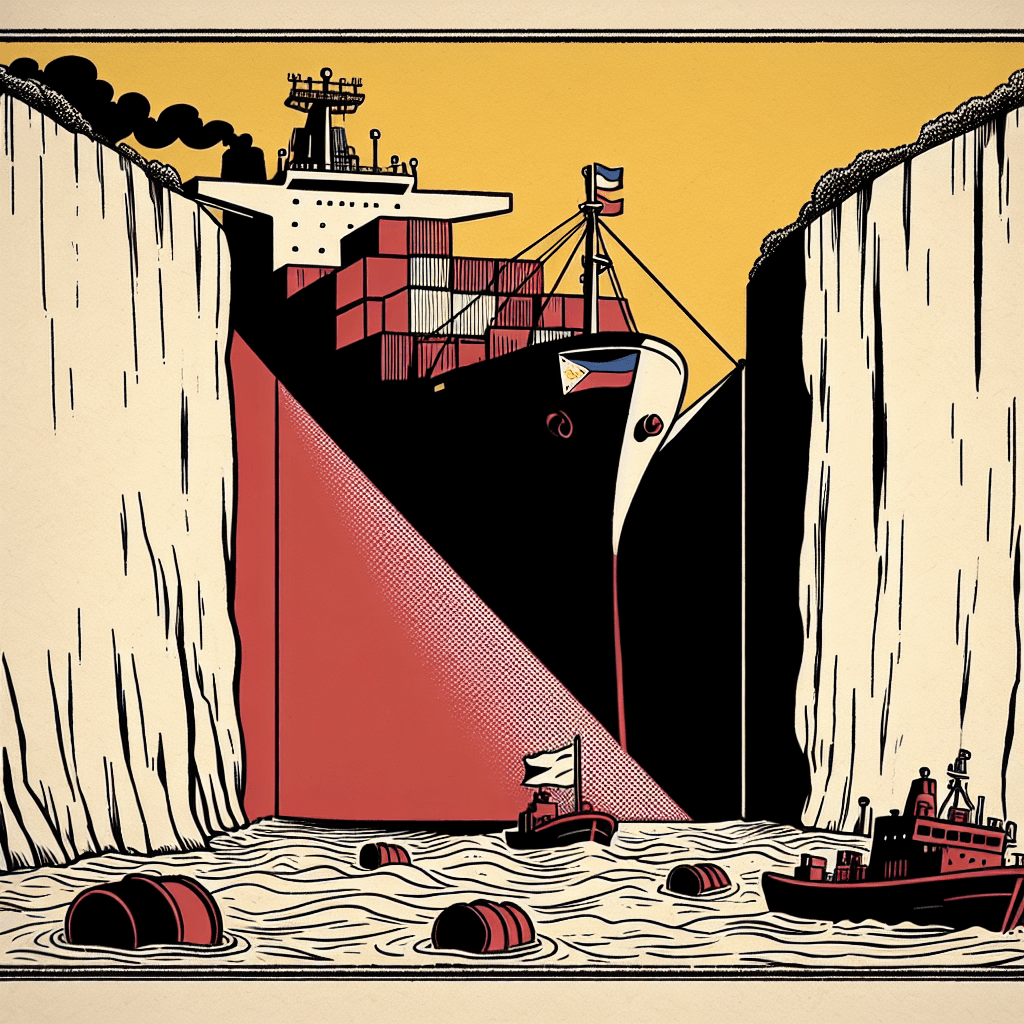
Tehran’s assurance comes as Middle East crisis threatens key oil chokepoint used by Filipino crews.
The passage is 21 miles wide at its narrowest point, carries roughly a fifth of the world’s oil, and just became slightly less dangerous for ships flying the Philippine flag.
The Assurance Tehran Made
Iran confirmed it will allow safe passage for Philippine-bound vessels transiting the Strait of Hormuz, the narrow waterway separating the Persian Gulf from the Gulf of Oman. The announcement came as tensions between Iran and other regional powers threaten to spill into shipping lanes that the global economy depends on. Philippine officials received the assurance directly from Tehran after high-level talks between Foreign Affairs Secretary Maria Theresa Lazaro and Iranian Foreign Minister Abbas Araghchi. The exact terms remain somewhat general in public statements, though Iran explicitly included all Philippine-flagged vessels, energy shipments, and Filipino seafarers.
For context: roughly a fifth of the world’s oil passes through Hormuz daily. When Iran threatened to close the strait during past flareups, oil futures spiked within hours.
Why This Matters to Filipinos Thousands of Miles Away
More than 504,000 Filipino seafarers were deployed in 2024, according to preliminary Department of Migrant Workers data. Many of those routes pass through or near Hormuz. The strait is not just an abstraction on a map — it’s where OFW remittances are earned, where tanker crews spend weeks at a stretch, where a single miscalculation or stray missile can turn a routine voyage into an international incident.
And yet, the bigger worry for families back home might not be the seafarers themselves, but what comes after. Oil that moves through Hormuz eventually reaches Philippine ports. When that supply tightens — or when insurers raise premiums for ships transiting conflict zones — pump prices in Quezon City and Cagayan de Oro feel it within weeks. The last time Iran and the U.S. came close to direct confrontation in early 2020, diesel prices reportedly jumped by as much as ₱2.50 per liter in a weekly adjustment.
Iran’s assurance is a small buffer. But only that.
What Happens If the Guarantee Doesn’t Hold
Diplomatic assurances are worth exactly what the situation allows them to be worth. If fighting escalates, if a third party attacks a Philippine-flagged vessel and blames Iran, if Tehran’s own hardliners decide the promise was a mistake — the guarantee evaporates. Which is why the Department of Foreign Affairs and the Department of Migrant Workers are reportedly monitoring the situation “closely,” the kind of language officials use when they are preparing for the worst while hoping for the best.
Filipino seafarers have lived through this before. During the Iran-Iraq tanker wars of the 1980s, according to reports, dozens of Filipino crew members were killed or injured. The industry adapted: hazard pay went up, some routes were avoided, families learned to live with longer silences between calls home. That same grim calculus may return if the current crisis deepens.
Sa totoo lang, the Philippines has little leverage here. We can ask for safe passage. We can appeal to international norms. But we cannot enforce them. What we can do — what Manila should already be doing — is ensuring that every seafarer transiting the region knows the risks, that repatriation plans are in place, and that oil supply chains have backup options before prices spiral.
Editor’s Take
Iran’s assurance is welcome, but it is not a plan. The Strait of Hormuz has been a flashpoint for decades, and every temporary calm eventually gives way to the next crisis. What the Philippines needs is not just diplomatic courtesy from Tehran, but a serious national conversation about energy security and seafarer protection that does not wait for the next headline to force it. We have built an economy that depends on oil we do not produce, shipped through waters we do not control, crewed by Filipinos we send into harm’s way and then hope for the best. Maybe this time, we prepare before the strait closes — not after.
Sources
Iran allows passage for Philippines-bound ships through Hormuz — Philippine Star
Iran allows safe passage for PH ships through Strait of Hormuz — Rappler
LIVE UPDATES: Impact of Middle East crisis on the Philippines — Rappler
Deployed Filipino Seafarers by Major Category (2024 preliminary) — Department of Migrant Workers