Is Upgrading to a Bigger Condo Worth It?
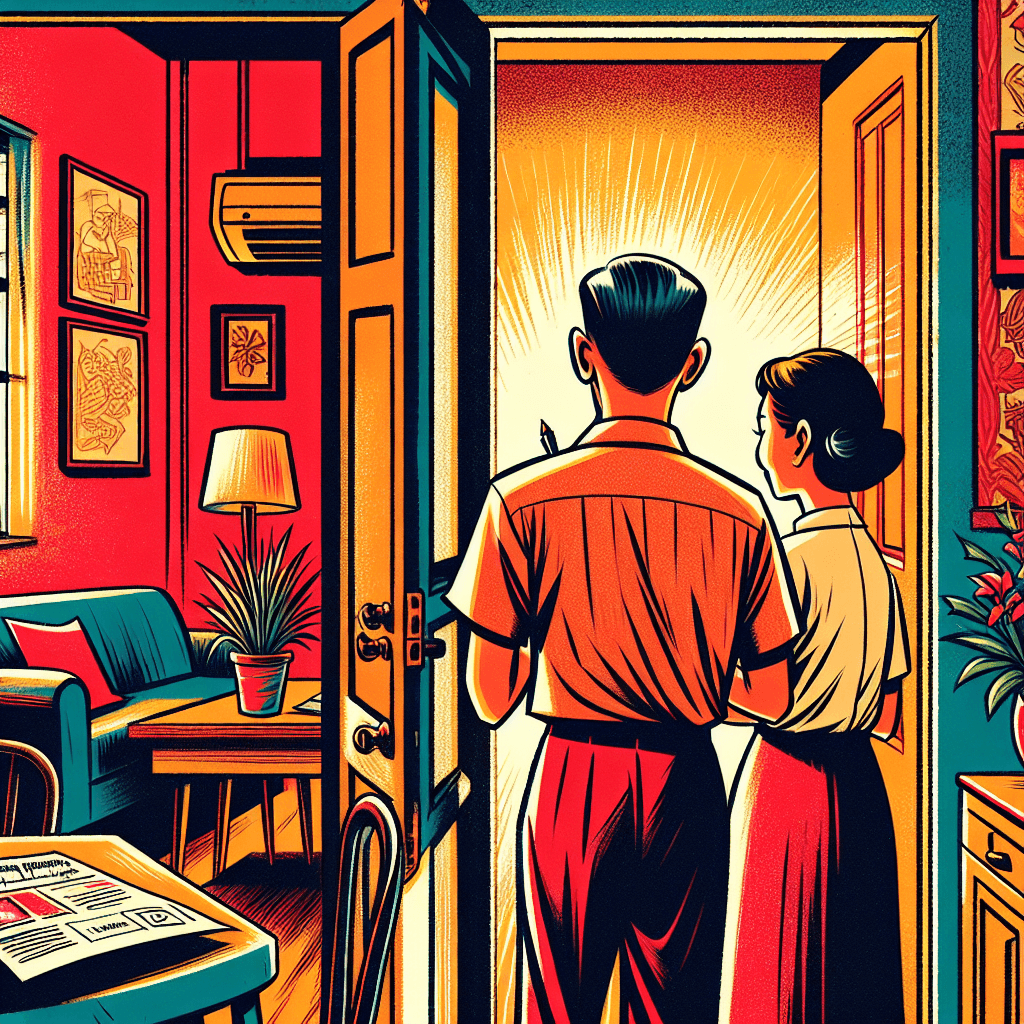
The pen was in my hand. The contract was on the table. And somewhere in the back of my head, a small, very Filipino voice was already doing the math — not on whether we could afford it, but on whether we deserved it.
We signed anyway.
The 21 Square Meters That Taught Us Everything
For a few years, my partner and I lived in a 21 sqm condo. If you’ve never done that, let me paint the picture: the dining table is also the desk, the living room is wherever you happen to be standing, and “having people over” is more of a theoretical concept than an actual plan.
But here’s the thing — it worked, for a while. Small spaces have a way of feeling cozy before they start feeling like a test of your relationship. And honestly, we passed that test. What we couldn’t pass was the moment we both admitted, quietly, on a random weeknight, that we were tired of eating dinner with our elbows touching the wall.
The Part Where I Felt Guilty Anyway
So we looked. We researched. We found something bigger, and this month, we committed to it. Higher rent, more space, a living room — an actual living room, the kind we’d talked about but never had room for, literally.
And then the guilt arrived right on schedule.
Because that’s what we do, ‘di ba? We grow up watching our parents stretch every peso, and somewhere along the way we absorb this idea that spending more than the minimum is a kind of moral failure. That choosing comfort over savings is irresponsible. That the responsible thing — the mature thing — is to always defer, always wait, always store.
Here’s the honest checklist I ran in my head before we signed:
Is the rent still within what we actually earn? Are our savings and investments untouched by this move? Does this genuinely improve how we live every single day?
All three: yes. And once I answered those honestly, the guilt started to lose its argument. It didn’t disappear — guilt is stubborn like that — but it got quieter. Quiet enough to sign.
What “Currency” Actually Means
The realization didn’t come from a book or a podcast. It came from just sitting with the discomfort long enough to look at it clearly. Money, I kept thinking, is called a currency for a reason. It moves. It flows. It is, by design, meant to be exchanged for something — for time, for comfort, for a life that feels like yours.
The version of financial wisdom I grew up with treated money like something fragile, something that had to be protected from your own desires. And I understand where that comes from — it comes from real scarcity, real sacrifice, real parents who made it work so we wouldn’t have to worry the way they did. That’s not nothing. That’s everything, actually.
But there’s a difference between being careful and being afraid. Between being practical and shrinking yourself into a space that no longer fits. We made sure the funds were there before we committed. We didn’t gamble. We just decided that living better, now, was also a legitimate use of what we’d worked for.
There’s still a part of me that will walk into the new place and feel a flicker of that old guilt — the voice that says this is too much, you don’t need this, you could have invested this instead. That voice isn’t wrong to exist. It kept us careful for years.
But the living room is going to be real. We’re going to put a couch in it. We’re going to have people over — actually over, not just standing in a doorway. And maybe that’s the whole point: not that we stopped being careful, but that we finally trusted ourselves enough to move.
The next step is usually a literal one.
A BantayDaily personal essay by Juno dela Cruz.