Lifestyle Inflation: Why Your Raise Feels Like Nothing
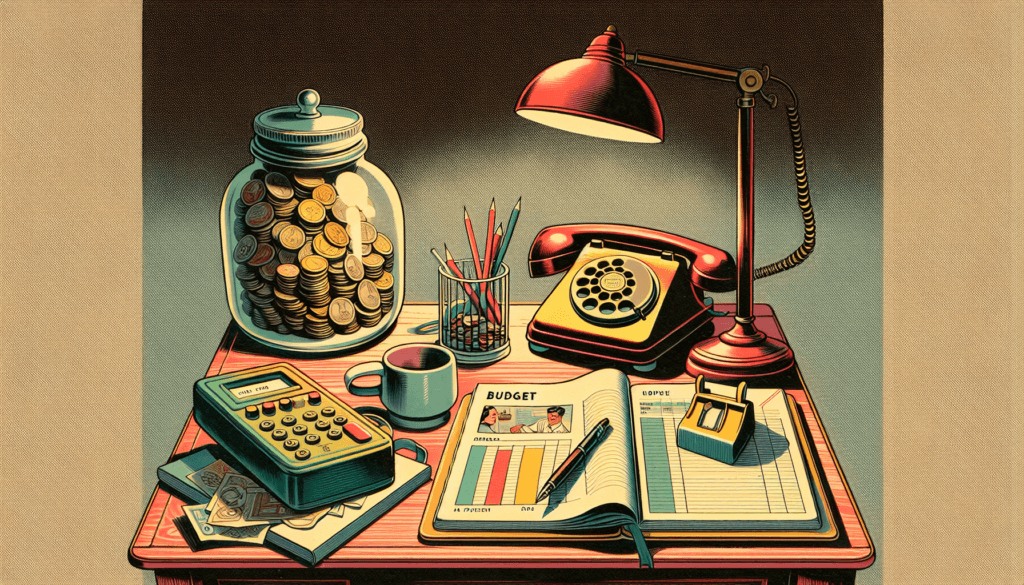
There was a moment, somewhere between a salary increase and a new phone I didn’t need. When I realized the money had already left before I even felt it arrive. No celebration. No memory of spending it. Just a GCash balance that looked exactly the same as the month before the raise.
The Upgrade Reflex We Never Questioned
It starts small, and that’s the dangerous part. You get promoted, so you move to a slightly better apartment. You hit a savings milestone, so you treat yourself to something you’ve been eyeing for months. Or when you get a bonus, so the old phone suddenly looks older than it did last week. None of it feels reckless in the moment. Each upgrade comes with a reason, a justification, a deserve mo na ‘yan from someone who loves you.
But here’s what nobody says out loud: the lifestyle always expands to meet the income. Always. And once it expands, it almost never contracts. The bigger apartment becomes the baseline. The newer phone becomes the standard. The slightly more expensive coffee becomes the morning ritual you don’t even question anymore. Before you know it, a higher salary feels exactly like the lower one — because the expenses grew alongside it, quietly, politely, without asking permission.
The Part Nobody Posts About
Living low-key is not the same as living poorly. That distinction took me a while to understand, because in this country, the two often get confused. We grew up watching people signal success through things you could see — the bag, the car, the restaurant tag, the vacation photo. Staying quiet about money, choosing not to upgrade, not showing the new thing — it can read, to other people, as not having anything to show.
And yet the math is stubbornly honest. Every peso not spent on a lifestyle upgrade is a peso that can work somewhere else — in savings, in investments, in the kind of slow, undramatic wealth-building that never makes it to anyone’s Instagram story. Economist Dina Gilio-Whitaker once wrote about the difference between visible wealth and actual wealth, and while her context was different, the core idea translates: what people see and what people have are often two very different numbers. The low-key life is, in many ways, the one that compounds quietly in the background while everyone else is refreshing their feed.
What Staying Small Actually Buys You
The freedom is real, and it’s specific.
When you stop inflating your lifestyle with every raise, you stop needing the next raise just to stay comfortable. Your spending no longer traps you. You stop asking whether you can afford to take a risk — change jobs, rest for a month, say no to something that pays well but costs you more. That freedom matters. In a country where financial stress is so common we turned “wala na akong pera” into a punchline, real breathing room feels almost radical.
A personal essay by Juno dela Cruz for BantayDaily PH