Panagbenga at 30: How Baguio Turned Grief Into Blooms
Quick Take
- Baguio’s Panagbenga Festival turned 30 this year, drawing thousands to Session Road in a celebration born from the rubble of the 1990 earthquake.
- What began as a deliberate act of healing has become the country’s most recognized flower festival — and a template for how communities rebuild identity after disaster.
- As one traveler completes a journey to all 1,642 Philippine cities and municipalities, the festival’s staying power raises questions about what makes local pride endure.
Three decades after the earth shook, the City of Pines still knows how to gather.
Thousands lined Session Road this year as Baguio marked the 30th Panagbenga Festival — a milestone that feels less like a birthday and more like a quiet victory. The crowds came for the floats, the street dancers, the explosion of color that turns the summer capital into something between a parade and a pilgrimage. But the festival’s real story isn’t about flowers. It’s about what a city does when it refuses to let tragedy have the last word.
When Flowers Became a Statement
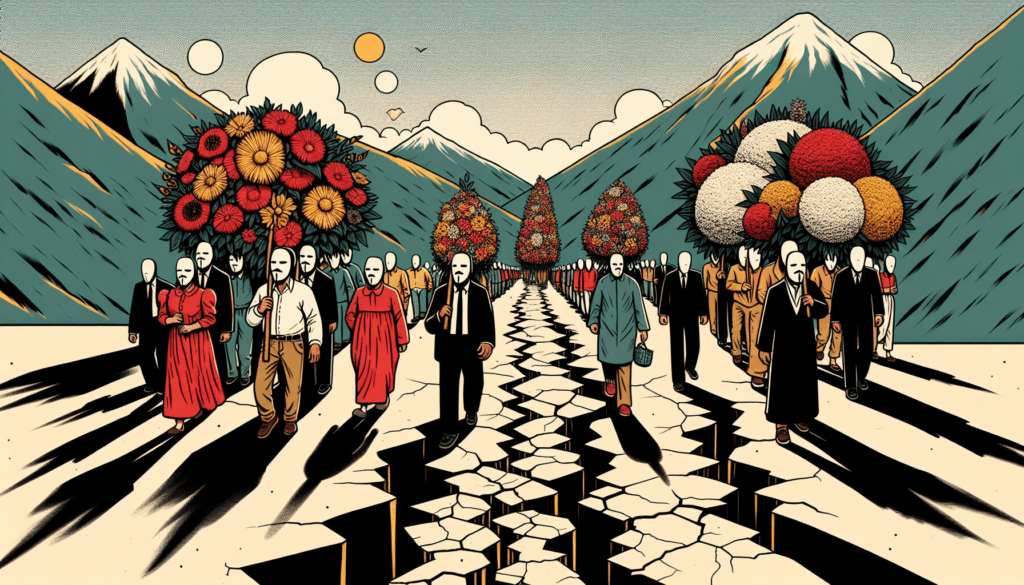
Panagbenga didn’t exist before 1990. It couldn’t have. That was the year a 7.7-magnitude earthquake tore through northern Luzon, killing over 1,600 people and reducing parts of Baguio to rubble. The city’s hotels collapsed. Its roads cracked open. And for months afterward, the question hung in the cool mountain air: would anyone come back?
The festival was the answer. Launched in 1995, Panagbenga — “a season of blooming” in Kankanaey — was never just tourism marketing. It was a deliberate act of memory and defiance. The organizers chose flowers because Baguio had always grown them, yes, but also because flowers are what you plant when you believe in next year. The first parade was smaller, rougher around the edges. But it said what needed saying: “We are still here.”
And people listened. By the time the festival hit its tenth year, it had become a fixture on the national calendar. By its twentieth, it was drawing comparisons to Thailand’s Chiang Mai Flower Festival. Now, at thirty, it pulls crowds that spill beyond Session Road, filling hotels and homestays, keeping jeepney drivers and strawberry vendors busy for weeks.
What Outlasts the Hashtags
Thirty years is a long time to keep anything going in the Philippines, where festivals bloom and fade with the attention span of local government units. Panagbenga has outlasted mayors, weathered budget cuts, survived the pandemic. It has become what few festivals manage: a tradition people actually miss when it’s gone.
There’s a lesson here that goes beyond Baguio. A traveler recently completed a journey to all 1,642 cities and municipalities in the country — a feat that sounds exhausting until you realize what it represents. Every one of those places has its own festival, its own attempt to say “we matter.” Most will be forgotten by next year. But a handful, like Panagbenga, stick. They stick because they mean something to the people who live there first, and to visitors second.
That’s the trick. Panagbenga works because it was never designed to go viral. It was designed to help Baguio remember itself.
What This Means If You’re Planning a Trip North
If you’re thinking of visiting Baguio during Panagbenga, here’s what you need to know: book early or don’t bother. Rooms along Session Road and near Burnham Park fill up months in advance, and rates double — sometimes triple — during festival week. A guesthouse that charges ₱1,500 a night in June will ask ₱4,000 in February. Jeepney fares stay the same, but good luck finding a seat.
Go for the street dancing if you want the spectacle, but the real festival happens in the smaller moments: the neighborhood gardens competing for best display, the night market that stretches past midnight, the way the whole city smells faintly of pine and grilled corn. Bring a jacket. Baguio is never as cold as people say it is, but it’s cold enough at dawn when the floats start lining up.
And if you’re an OFW planning a balikbayan trip around it, consider this: Panagbenga has become one of the few times of year when Baguio feels like it did before the malls and the traffic. Kung tutuusin, that’s worth the crowd.
Editor’s Take
Thirty years is long enough to stop calling something new, but not long enough to take it for granted. Panagbenga succeeded because it was born from something real — not a mayor’s pet project or a tourism consultant’s pitch deck, but a city’s need to prove it could still bloom. That sincerity is rare now, in an age when every town launches a festival with a hashtag and a hope. Most of them feel like performances. Panagbenga still feels like a promise kept. And in a country where so many promises go unkept, that’s the kind of thing people will line Session Road to see.
The best festivals aren’t the loudest — they’re the ones that know why they started.
Sources
Thousands line Session Road as Baguio marks 30th Panagbenga Festival — Inquirer
Panagbenga’s 30-year journey of healing and hope — Inquirer
Meet the man who visited the Philippines’ 1,642 cities, municipalities — Rappler