Fuel prices climb again as Iran conflict chokes supply
Quick Take
- Oil prices climbed as the US-Israeli conflict with Iran reportedly disrupted global supply chains, sending ripple effects to Philippine fuel stations.
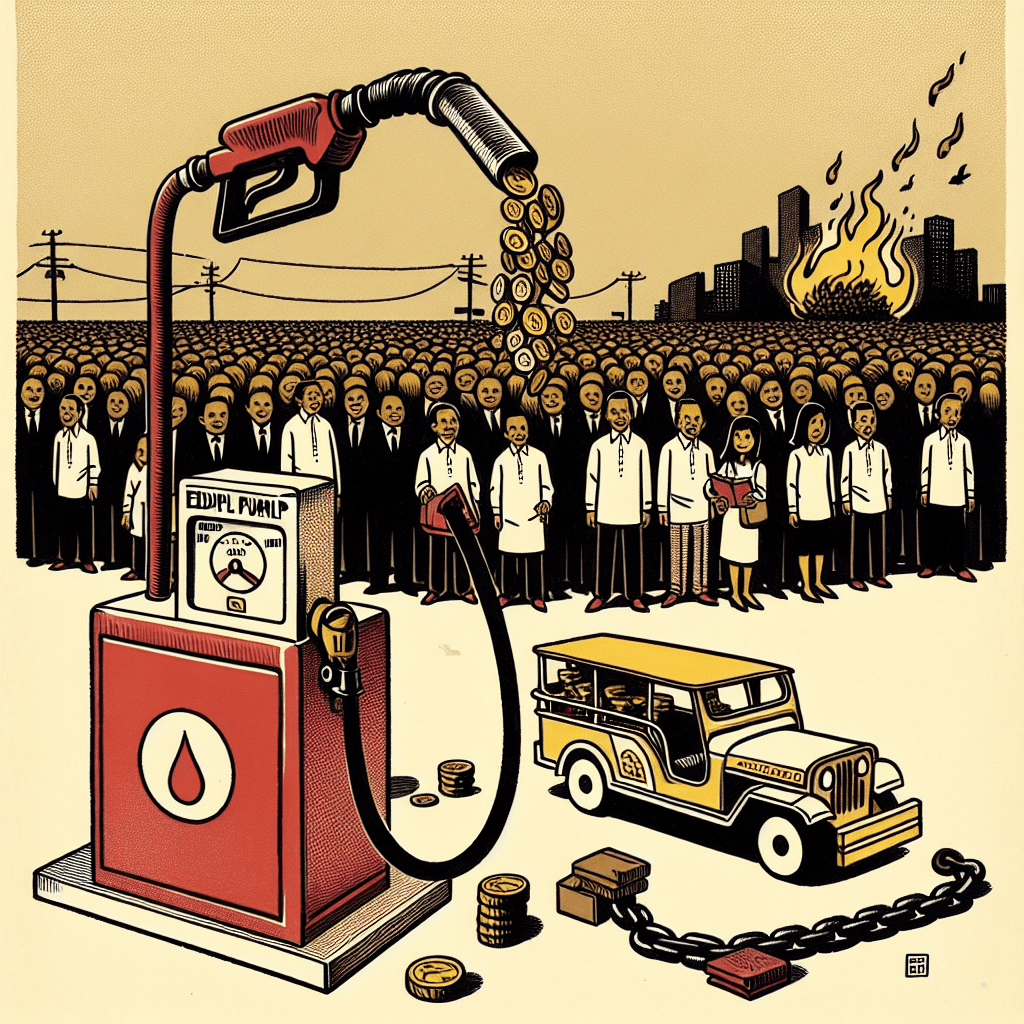
- Filipino drivers, jeepney operators, and households now face another round of pump price increases that will touch everything from transport fares to vegetable costs.
- Watch how long the Middle East crisis lasts — every week of fighting adds pesos to the pump and pressure on household budgets already stretched thin.
Another week, another reason your jeepney fare might go up.
The numbers appeared first at the pump, then in the headlines, then — inevitably — in household budgets across the country.
The Trigger Was Halfway Around the World
Oil prices rose this week as fighting between Israeli and US forces and Iran reportedly disrupted supply routes through the Strait of Hormuz, one of the world’s most critical chokepoints for crude. About a fifth of global petroleum liquids consumption passes through that narrow waterway, according to the US Energy Information Administration. When tankers slow down or reroute, the entire supply chain tightens. And when supply tightens, prices climb — from the Persian Gulf to the South China Sea to the nearest Petron station in your barangay.
The conflict itself reportedly involved a US rescue mission that nearly went off course, according to reports. Details remain murky, but the result is clear: markets reacted, crude futures spiked, and Philippine fuel importers began adjusting their forecasts. By midweek, local oil companies announced the inevitable. Diesel, gasoline, and kerosene prices would all rise in the next pricing cycle.
Why This Keeps Happening to Us
The Philippines imports nearly all its oil. We have no significant domestic crude production, no strategic reserves large enough to cushion prolonged shocks, and no control over what happens in the Middle East. Which means every time tensions flare in that region — and they flare often — we pay for it here.
This is not the first time. In 2022, pump prices in Metro Manila climbed past ₱80 per liter for diesel. Jeepney drivers staged strikes. Fishermen stayed ashore because the fuel cost more than the catch. The government rolled out subsidies, but they were temporary and insufficient. Prices eventually stabilized, but they never returned to pre-crisis levels.
Sa totoo lang, the pattern is exhausting. A geopolitical event occurs. Markets panic. Oil companies raise prices. The government promises relief. Relief arrives late and underwhelming. Households adjust by cutting something else — less meat, fewer trips, delayed tuition payments. Then the cycle repeats.
What makes this round particularly difficult is timing. Inflation had just begun easing, with headline inflation slowing to 1.3% in May 2025, according to the Philippine Statistics Authority. Families were starting to breathe. And now this.
What It Means for Your Daily Budget
A ₱2 per liter increase in diesel translates quickly. Jeepney operators, who already run on razor-thin margins, will either absorb the cost temporarily or petition for a fare hike. Either way, commuters lose — through higher fares or reduced routes as drivers give up.
For households, the math is grimmer. Diesel powers not just public transport but delivery trucks, fishing boats, and farm equipment. When diesel climbs, so does the cost of vegetables in the palengke, fish in the wet market, and rice delivered to sari-sari stores. A single fuel price hike ripples outward for weeks.
OFWs sending remittances home will notice their families’ budgets tightening again. That ₱20,000 monthly padala buys less when transport and food costs rise simultaneously. And for the millions who live paycheck to paycheck, there is no cushion left. The jeepney fare increase is not an inconvenience. It is a crisis.
The government has tools — targeted subsidies for public transport, price caps on essentials, fuel vouchers for the poorest households. Whether they deploy them quickly enough is another question entirely.
Editor’s Take
The cruelty of oil dependence is that Filipinos pay for conflicts they did not start, in places most will never see, with money they do not have. We are price-takers in a global market, and every time the Middle East erupts, our household budgets become collateral damage. The real question is not whether this will happen again — it will — but whether we will ever build the infrastructure, the reserves, or the alternatives to soften the blow. Because right now, we are one Middle East crisis away from another round of strikes, subsidies, and families choosing between jeepney fare and dinner. That is not resilience. That is exhaustion.
Sources
Oil prices rise as US-Israeli war with Iran continues to disrupt supply — Rappler
LIVE UPDATES: Fuel prices soar in the Philippines amid Middle East crisis — Rappler
How a perilous US rescue mission in Iran nearly went off course — Rappler
World Oil Transit Chokepoints — US Energy Information Administration
2022’s oil price hikes fuels concerns for what’s in store next year — Inquirer Mobility
Lower power costs further slow inflation to 1.3% in May 2025 — Rappler