Oil tankers pass Hormuz, but pump prices still climb
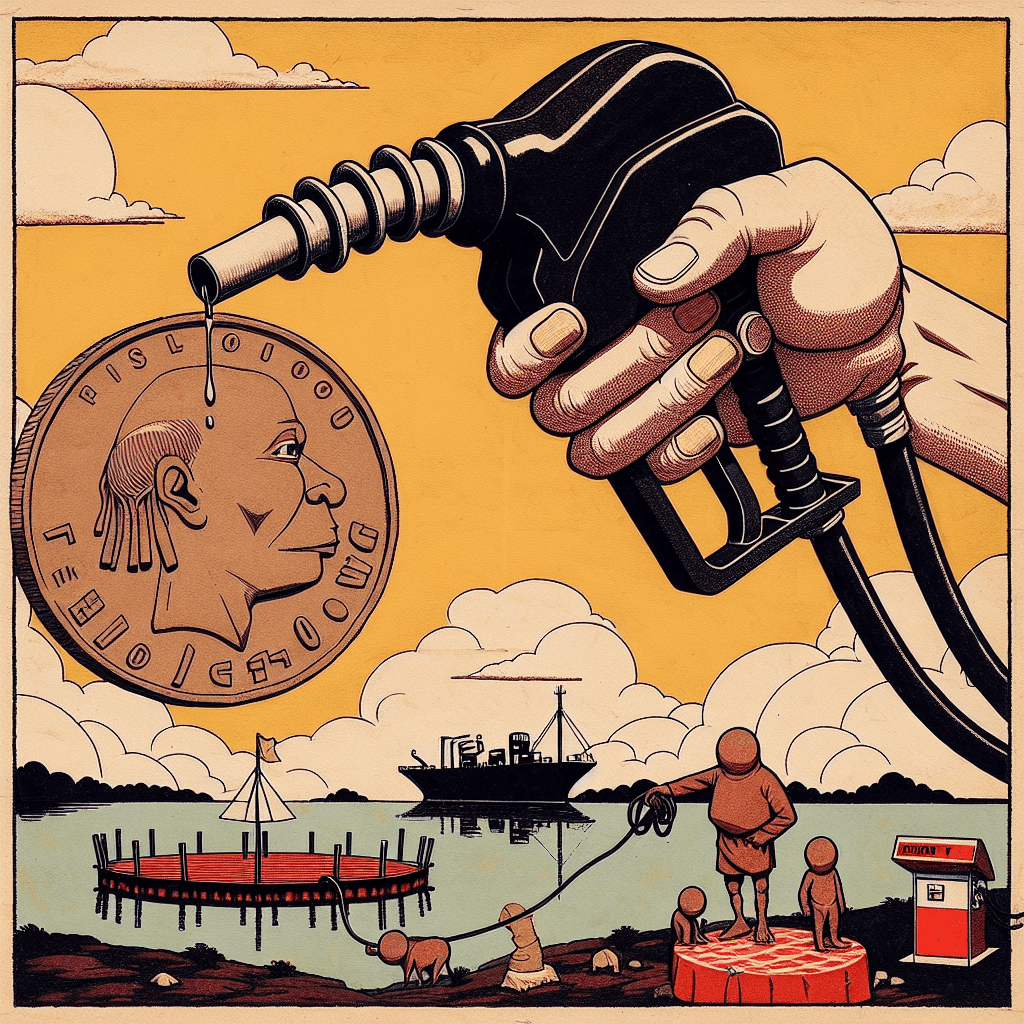
Quick Take
- Philippine-bound oil tankers can now reportedly pass through the Strait of Hormuz again, but fuel prices continue climbing despite that access.
- Industry insiders say the route reopening won’t bring relief at the pump anytime soon, and one farming town has already dropped its fiesta carabao tradition because of soaring costs.
- Watch whether oil companies will justify the next price hike now that their main excuse — blocked shipping lanes — no longer holds.
The strait reportedly reopened for Philippine shipments. So why are we still paying more?
Iran has given assurances that Philippine-bound oil tankers can now safely pass through the Strait of Hormuz. That’s supposed to be good news — the kind that brings pump prices down, or at least stops them from rising. But fuel companies are already signaling that relief isn’t coming.
The Route Is Clear, But Your Tank Stays Expensive
Following Iran’s recent assurance of safe passage, Philippine-bound oil shipments can now proceed through the Strait of Hormuz without the delays and diversions that marked the height of the Middle East crisis. The narrow waterway, which carries about a fifth of the world’s oil supply, had become a flashpoint when tensions flared between Iran and Western naval forces. Ships rerouted. Insurance premiums spiked. And Filipino drivers paid the price at every gas station from Aparri to Zamboanga.
Now the passage is reportedly stable again. Yet industry sources told the Inquirer that price drops are unlikely in the near term. The reasons given: global crude benchmarks remain elevated, the peso hasn’t recovered its strength, and companies are still absorbing costs from weeks of uncertainty. According to the Department of Energy’s Oil Monitor and related mid-March data, Dubai crude had risen sharply week-on-week while the peso continued to weaken.
Translation: the excuse has changed, but the bill stays the same.
What Happens When Diesel Costs More Than the Harvest
In Sulat, Eastern Samar, organizers dropped the traditional carabao from their fiesta menu this year. Not because of taste or tradition, but because transporting livestock and running farm equipment had become prohibitively expensive. Diesel, the lifeblood of rural economies, has climbed so high that even celebrations are being recalculated.
This is what fuel inflation looks like when it leaves Metro Manila. It’s not just jeepney drivers absorbing the hit or delivery riders stretching their tanks. It’s farmers deciding whether to plant a second crop. It’s fisherfolk weighing the cost of going out versus staying ashore. It’s a town fiesta without the centerpiece dish because logistics ate the budget.
And it’s happening while oil tankers reportedly sail freely through waters that were supposed to be the problem.
What This Means for Your Daily Commute and Weekly Budget
DOE retail pump price data for Metro Manila show diesel prices reaching a range of ₱105.00 to ₱131.90 per liter for the week of March 24–30, 2026 (with common prices around ₱118–120 per liter), up significantly from the previous weeks. For a jeepney driver running 150 kilometers a day, that’s roughly an extra ₱375 a week if consumption and routes stay the same — money that either comes out of their take-home pay or gets passed on to passengers through fare hikes that transport groups are already demanding.
If you’re an OFW sending remittances home, your family is feeling this in compounding ways: higher transport costs to the palengke, more expensive delivery fees for online orders, pricier vegetables because farmers are spending more on diesel to plow and harvest. The ₱5,000 you sent last month doesn’t stretch as far this month, even if the exchange rate holds.
For households running on tight margins, this is the kind of inflation that forces daily recalculations. Do you take the jeepney or walk the extra kilometer? Do you buy the usual kilo of galunggong or settle for half? These aren’t dramatic decisions. They’re quiet ones. But they add up.
Editor’s Take
The Strait of Hormuz was never really the problem — it was just a convenient headline. Oil companies will always find a reason why prices must go up and rarely find one why they should come down. What’s telling is how quickly the narrative shifts: first it was the blockade, now it’s “market fundamentals” or currency weakness or some other abstraction that sounds technical enough to discourage follow-up questions. Meanwhile, a farming town drops its fiesta carabao because diesel costs too much to justify the logistics. Kung tutuusin, that’s the real story — not what’s happening in the Persian Gulf, but what’s disappearing from our tables because we’ve been priced out of our own traditions. The strait is open. The pumps are still bleeding us dry. And nobody with the power to change it seems particularly bothered.
Sources
No price drop soon despite Hormuz pass for PH-bound oil — Inquirer
LIVE UPDATES: Fuel prices soar in the Philippines amid Middle East crisis — Rappler
Due to fuel crisis, farming town drops carabao from fiesta menu — Inquirer
OIL MONITOR as of 10 March 2026 — Department of Energy
List of NCR Pump Prices, March 17 to 23, 2026 — Department of Energy
List of NCR Pump Prices, March 24 to 30, 2026 — Department of Energy