ICC hears ‘neutralization’ evidence vs Duterte on Day 3
Quick Take
- The International Criminal Court heard Day 3 of pre-trial arguments on whether Rodrigo Duterte should face trial for crimes against humanity, with prosecutors detailing the meaning of “neutralization” in the drug war while Duterte’s defense attacked witness credibility.
- This hearing determines whether the former president stands trial in The Hague—a threshold moment for accountability that could redefine how Filipinos reckon with the estimated 12,000 to 30,000 killed between 2016 and 2022.
- Watch whether the ICC pre-trial chamber finds sufficient evidence to proceed, and how this shapes the post-2025 political landscape as allies and critics position themselves around Duterte’s legal fate.
The defense calls witnesses killers; prosecutors say that’s precisely why their testimony matters.
The word “neutralization” sounds clinical, almost bureaucratic. But in the context of Rodrigo Duterte’s drug war, prosecutors told the International Criminal Court on Day 3 of pre-trial hearings, it meant something far simpler: kill them.
What “Neutralization” Meant on the Ground
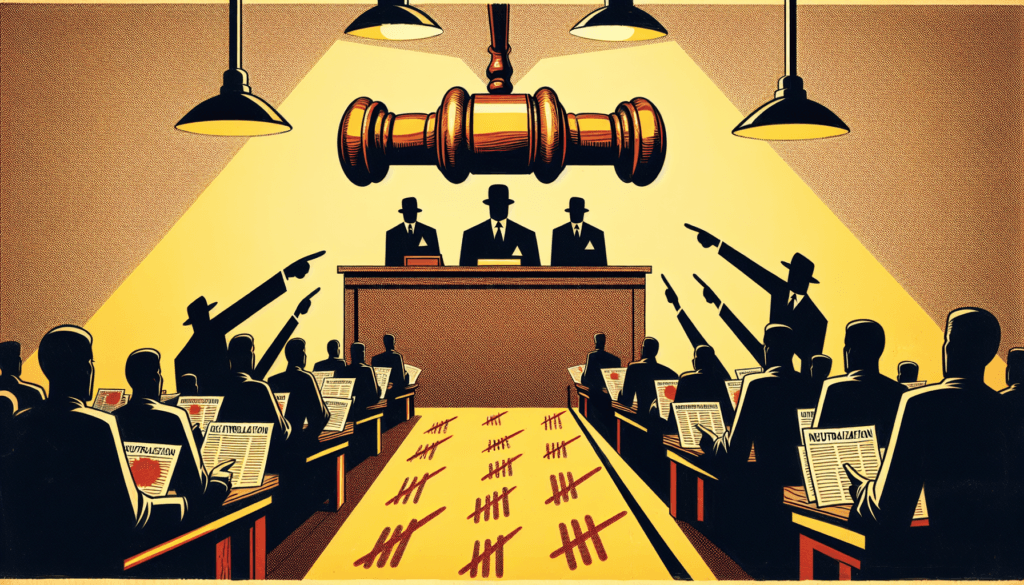
The ICC pre-trial chamber heard detailed arguments on Day 3 (February 26, 2026) about how the term “neutralization” functioned as operational code during the anti-drug campaign that defined Duterte’s presidency from 2016 to 2022. While prosecutors had earlier presented evidence that it was not police jargon for arrest or rehabilitation, but a directive understood by operatives at every level as permission—sometimes instruction—to execute suspects without trial, the defense countered that it simply meant lawful arrest, citing PNP manuals and statements from former officials.
This matters because the ICC must determine whether there’s sufficient evidence that crimes against humanity were committed systematically, not sporadically. The prosecution’s case hinges on showing that killings followed a pattern directed from the top, not the chaotic spillover of aggressive policing. “Neutralization” as documented policy language would establish that pattern.
The hearings aren’t a trial yet. They’re a threshold: does enough evidence exist to proceed? Duterte himself has not appeared, though he’s publicly dared the ICC to “come get him”—bravado that plays well domestically but holds no legal weight in The Hague.
The Defense Strategy: Shoot the Messenger
Duterte’s legal team took a familiar route: discredit the witnesses. They’re “unreliable,” the defense argued. They’re “self-confessed murderers.” One might ask: who else would know how the drug war’s kill orders actually worked?
Kaya nga, this is the paradox prosecutors anticipated. The people who can testify to systematic extrajudicial killings are, by definition, those who carried them out or survived them. Expecting choir boys to describe a killing apparatus is absurd. The defense wants the chamber to disqualify witnesses for the very proximity that makes their testimony valuable.
Still, credibility will be tested. The chamber will weigh whether these accounts corroborate each other, align with documentary evidence, and hold up under scrutiny. Self-interest cuts both ways—some witnesses may have reason to exaggerate, others to minimize their own roles.
But the defense faces a harder problem: explaining away the numbers. Estimates range from 12,000 acknowledged police operations to 30,000 total deaths when vigilante-style killings are included. Even conservative figures describe a campaign unlike anything in recent Philippine history.
What This Means If You Voted in 2016—or Will in 2025
For the millions who supported Duterte’s drug war as necessary medicine for a broken country, these hearings ask an uncomfortable question: was the cure worse than the disease? For families who lost fathers, sons, brothers to bullets in dark alleys—many never charged, some never even named—the hearings represent the only accountability process still moving forward. Philippine courts have been slow or silent; the ICC is what remains.
This isn’t abstract international law. It’s about whether a president can promise to kill thousands, deliver on that promise, and retire to Davao unbothered. It shapes what future leaders think they can get away with. It tells OFWs abroad whether the country they send remittances to respects the rule of law or just the rule of the strong.
Politically, the hearings land in the middle of positioning for 2025 and beyond. Duterte’s allies must calibrate: defend him too loudly and risk association with potential crimes against humanity; abandon him and lose his base. Sara Duterte, the sitting vice president and his daughter, has gone conspicuously quiet on the ICC proceedings. That silence is its own kind of statement.
Editor’s Take
Sa totoo lang, we’ve been here before—powerful men accused, lawyers parsing words, the public divided between “he did what was necessary” and “he did what was monstrous.” What’s different this time is that the process is beyond our borders, beyond the reach of political favors or convenient forgetting. The ICC moves slowly, but it moves. Duterte’s defense that witnesses are murderers isn’t wrong; it’s just irrelevant. The question isn’t whether the witnesses have clean hands—it’s whether the hands that gave the orders do. And no amount of legal theater in The Hague changes this: 12,000 to 30,000 people are dead, and someone decided that was acceptable. We’re just finally asking who. As the chamber decides in coming months, this could set precedents for accountability worldwide.
The dead don’t care about pre-trial procedures, but the living should.
Sources
ICC pre-trial Day 3: ‘Neutralization’ in the context of Duterte’s drug war — Rappler
Duterte’s defense: Prosecution witnesses ‘unreliable,’ ‘self-confessed murderers’ — Philippine Star
Duterte camp argues ICC lacks grounds to proceed to trial | The wRap — Rappler