Nueva Ecija killings surface as EJK families face threats
Quick Take
- Three people were found dead with gunshot wounds in Nueva Ecija, while authorities consider filing charges against those harassing families of extrajudicial killing victims.
- Both stories pull at the same thread: a cycle of violence that refuses to end, and families caught between grief and intimidation.
- Watch whether the harassment charges gain traction — and whether Nueva Ecija’s killings follow a familiar, troubling pattern.
The dead keep piling up, and now those who mourn them are being silenced too.
Three bodies. Gunshot wounds. Nueva Ecija. The details are spare, the way they always are when violence becomes routine.
But this time, the story arrives alongside another: authorities are finally eyeing charges against people harassing families of extrajudicial killing victims. Two headlines, seemingly separate. Except they’re not.
When the killing doesn’t stop at the funeral
Nueva Ecija has seen this before. So has Bulacan. So has Caloocan. Three people found dead, circumstances unclear, investigations pending. The language is careful, almost sterile. No one rushes to call it an EJK — extrajudicial killing — because that term carries weight, demands answers, triggers scrutiny.
Still, the pattern holds. Gunshot wounds. Multiple victims. A province where the drug war once ran hot, where “nanlaban” — they fought back — became shorthand for state-sanctioned death. Between 2016 and 2022, thousands died this way across Central Luzon. The Philippine National Police’s own data, conservative as it is, logged over 6,000 drug war deaths nationwide. Human rights groups say the real number is three times that.
Nueva Ecija sits in the middle of that geography. Rice fields and small towns where everyone knows everyone, which makes anonymity impossible and silence expensive.
The second violence: intimidation after death
And then there are the families left behind. The ones who bury their sons, their brothers, their fathers — and then get told to shut up about it.
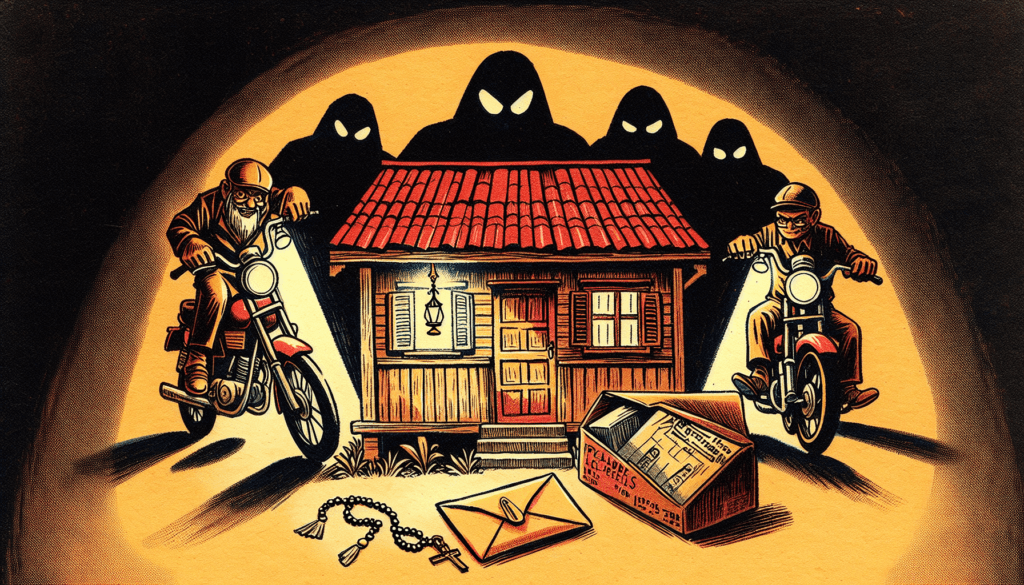
This is what the second headline addresses. Authorities are now considering charges against those harassing EJK victims’ families. It’s a small step, almost quaint in its lateness. For years, human rights lawyers and church workers have documented the threats: anonymous texts, men on motorcycles circling homes, whispered warnings at the sari-sari store. Kung tutuusin, the intimidation is its own kind of killing — slower, quieter, but just as deliberate.
The harassment isn’t random. It’s designed to collapse memory, to make grief so costly that families stop asking questions. Stop filing cases. Stop naming names. It works because the state, which should protect these families, often looks the other way. Or worse, participates.
What makes this moment different — if it is different — is that someone in authority finally said the quiet part out loud: harassing these families is a crime. Whether charges actually get filed, whether convictions follow, whether this becomes more than a press release — that’s the test.
What This Means If You’ve Lost Someone to Violence
If your family has been touched by this kind of death — the unexplained killing, the police report that doesn’t add up, the funeral no one from the barangay dared attend — you know the fear is real. The harassment isn’t theoretical. It’s the unknown number calling at 2 a.m. It’s your child being followed home from school.
The possibility of charges against harassers won’t undo that fear overnight. But it’s a crack in the wall. If you’ve been documenting threats — saving text messages, noting license plates, recording voices — this might be the moment those records matter. Organizations like the Free Legal Assistance Group (FLAG) and the Public Interest Law Center (PILC) have been waiting for an opening like this.
For families in Nueva Ecija dealing with fresh grief right now, the path is harder. You’re at the beginning, where everything is raw and the pressure to stay silent is heaviest. But you’re not alone. There are lawyers who work for free. There are church groups that will sit with you. There are families who have walked this road and survived it.
The choice to speak up or stay quiet is yours, and no one should judge it. Both take courage. But if you choose to speak, there are people ready to listen — and now, possibly, a legal system inching toward accountability.
Editor’s Take
We’ve been here before: bodies in Nueva Ecija, promises of justice, families told to move on. What’s new is the acknowledgment that silencing the bereaved is itself a crime worth prosecuting. It’s a low bar — intimidating grieving families should never have been tolerated in the first place. But in a country where impunity has been the norm for so long, even a low bar feels like progress. The real question is whether this leads to actual convictions or just another round of strongly worded statements. Because the families burying their dead this week in Nueva Ecija don’t need rhetoric. They need the men on motorcycles to stop circling their homes. And they need to know that when they cry out, someone with power will finally, actually, listen. If charges stick, it could break the cycle.
The dead deserve justice. But so do the living who refuse to forget them.
Sources
3 found dead with gunshot wounds in Nueva Ecija town — Inquirer
Charges eyed over harassment of EJK victims, families — Philippine Star