Butanding Season Opens in Donsol: What It Means for Sorsogon
Quick Take
- Whale shark season has officially opened in Donsol Bay, Sorsogon, drawing tourists and marine watchers to one of the world’s most reliable butanding sites.
- The seasonal migration brings both tourism revenue and a reminder of why coastal communities guard these waters so carefully.
- Watch whether visitor numbers rebound to pre-pandemic levels — and whether local protocols hold under the pressure.
The gentle giants are back, and so are the questions about how we share the water.
The whale sharks have returned to Donsol Bay.
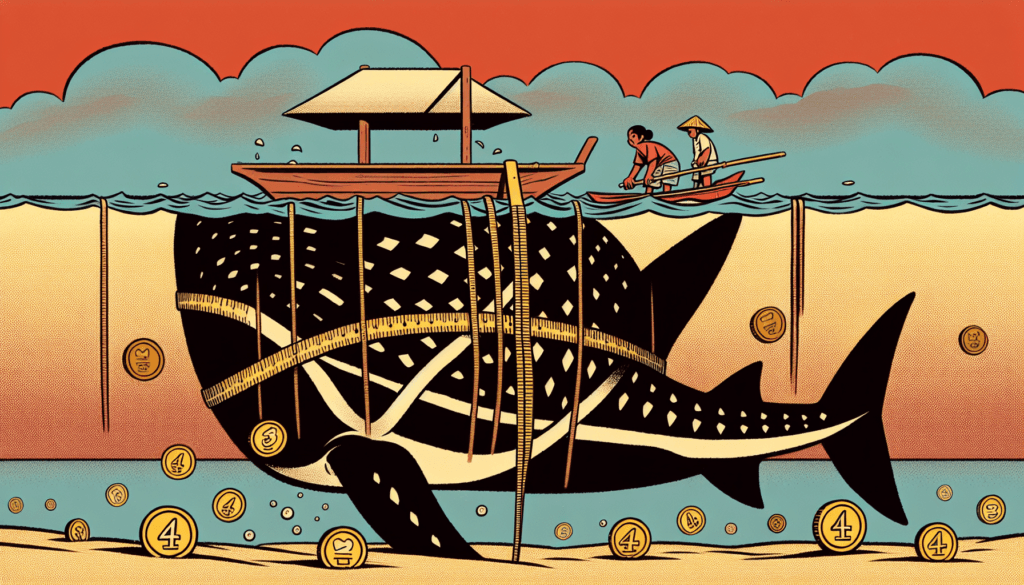
Every year between November and June, the world’s largest fish — some stretching twelve meters long — glide through the waters off Sorsogon’s coast. This season’s official opening marks the start of what local tourism officers hope will be a full recovery from three lean pandemic years. In 2019, Donsol logged over 30,000 visitors. Last year, the count barely touched 18,000.
The Rhythm of Migration
Butanding season in Donsol is not a recent discovery. Fishermen have known about the whale sharks for generations, long before the first foreign divers arrived in the 1990s. But it was only in 1998 — after a *National Geographic* feature and a government push to turn Sorsogon into an eco-tourism hub — that Donsol became synonymous with responsible whale shark interaction.
The timing of their arrival is tied to plankton blooms triggered by nutrient-rich currents. When the microscopic organisms multiply, the butanding follow. It’s a pattern as old as the Bicol coastline itself, and one that transformed Donsol from a quiet fishing town into a model for community-based marine tourism.
Still, the model only works if the rules hold.
What Visitors Pay — and What Locals Protect
A butanding interaction permit costs ₱1,500 for foreign tourists, ₱1,000 for Filipinos. On top of that, boat rentals run ₱3,500 to ₱5,000 depending on group size. For a family of four from Metro Manila, a weekend trip to Donsol — including transport, lodging, and permits — can easily hit ₱25,000.
That money flows through the local economy. Boatmen, tour guides, homestay operators, and sari-sari stores all depend on the season. But the revenue comes with a responsibility that Donsol takes seriously: no touching, no flash photography, no sunscreen in the water, and a strict four-meter distance between swimmer and shark.
Enforcing those rules when visitor numbers spike is the perennial challenge. In peak years, some operators have been caught bending protocols to accommodate more guests per day. The temptation is real — a single boat can make ₱15,000 in a good morning. But one viral video of a tourist grabbing a whale shark’s fin can undo a decade of conservation work.
And yet, Donsol has largely held the line. Unlike other global whale shark sites that have seen populations decline due to overcrowding, Donsol’s butanding keep coming back.
The Café That Tells the Other Story
Meanwhile, in Cebu, a different kind of gathering place has quietly opened its doors. Luna Gazette is a café built for storytellers — writers, journalists, and anyone who still believes that long-form conversation matters. It’s the kind of space that would have felt at home in Manila’s pre-martial law literary circles, but it exists now, in 2026, in a city better known for call centers than for chapbooks.
The connection between Donsol’s whale sharks and Cebu’s storytelling café is not obvious. But both are acts of preservation. One protects a species; the other protects a practice. Both require communities that decide certain things are worth slowing down for.
Sa totoo lang, that’s the harder part. Not the initial commitment, but the decade-long discipline of saying no when saying yes would be easier and more profitable.
Editor’s Take
Butanding season is a test we pass or fail every single year. The whale sharks don’t care about our tourism targets or our Instagram feeds — they follow the plankton, and if we make the water inhospitable, they’ll find it elsewhere. Donsol has earned its reputation by doing something rare in Philippine tourism: enforcing the rules even when it costs money. The real question is whether that discipline survives the pressure to make up for three lost years. Because the butanding will come back — until the day we give them a reason not to.
Sources
‘Butanding’ season begins in Donsol Bay — Inquirer
Have you been to Luna Gazette, Cebu’s café for storytellers? — Rappler