PH eyes Russian oil as pump prices, weak peso squeeze budgets
Quick Take
- The Philippine government is reportedly exploring crude oil purchases from Russia as fuel prices hit multimonth highs and the peso weakens to nearly ₱60 per dollar.
- Filipino families already stretched thin face the double blow of costlier imports and a currency that buys less with each passing week.
- Watch whether Malacañang will prioritize cheaper fuel over Western diplomatic pressure — and whether Moscow’s oil actually arrives cheaper after shipping costs.
The government floats a controversial supplier while Filipinos pay more at the pump than ever before.
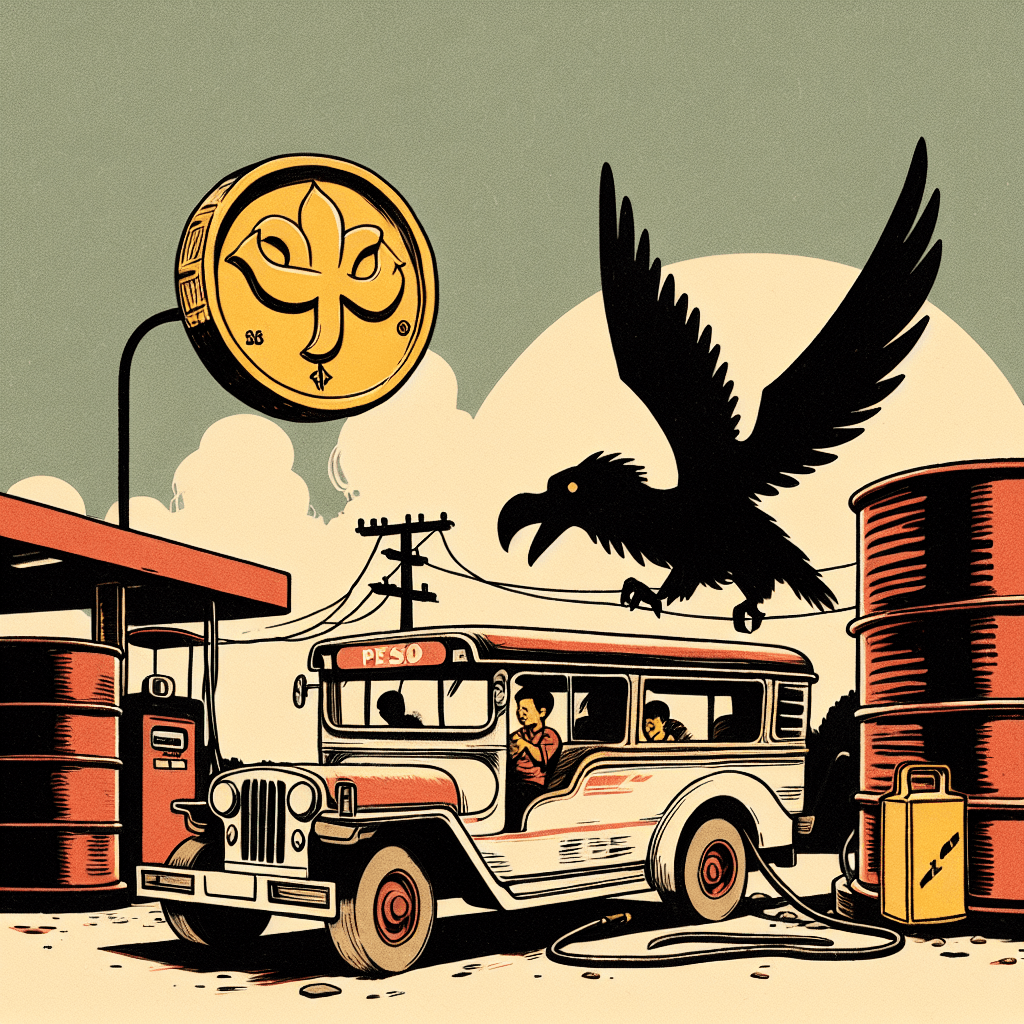
Diesel in Metro Manila now takes up a significant portion of a provincial worker’s daily wage, and the peso’s slide toward ₱59 against the dollar means every imported barrel — whether from the Middle East or the Urals — lands heavier on household budgets.
The trigger: record prices, currency steadily weakening
Philippine fuel prices have reached their highest levels yet, according to reports in the Philippine Star and Inquirer, just as the peso hovers near the ₱60-to-a-dollar mark; the BSP reference rate was ₱59.000 per US dollar on March 9, 2026. That combination turns every price increase at the pump into a double punch: oil costs more globally, and our currency buys less of it. For a country that imports nearly all its petroleum, this is not an abstract economic indicator. It is the reason your trike fare went up, your sari-sari store raised the price of Lucky Me, and your remittance from abroad suddenly feels lighter when converted to pesos.
The Philippine Star reports that the government is considering crude oil purchases from Russia — a supplier most Western-aligned nations have shunned since the invasion of Ukraine. Energy officials are reportedly exploring whether Russian crude, sold at a discount to willing buyers, could ease the country’s fuel bill.
Why this kept building, quietly, for months
The Philippines has never been insulated from global oil shocks, but this time the damage compounds. International crude prices spiked after the war in Ukraine disrupted supplies. Western sanctions pushed Russian oil off European markets, tightening supply elsewhere. OPEC+ production cuts kept prices elevated. And through it all, the peso weakened — not dramatically, but steadily — eroded by rising U.S. interest rates, a widening trade deficit, and the Bangko Sentral’s struggle to defend the currency without choking growth.
Energy imports make up a significant chunk of the country’s trade bill. When oil costs more and the peso buys less, that import burden worsens, which pressures the peso more, which makes the next shipment costlier still. It is a cycle that feeds itself, and the government has limited tools to break it. Price caps distort markets. Subsidies drain the treasury. So officials look elsewhere — to suppliers offering discounts, even controversial ones.
Russia has been selling crude at a markdown to buyers willing to navigate sanctions, arrange alternative shipping, and stomach the diplomatic blowback. India and China have taken advantage. The Philippines, so far, has only floated the idea.
What this means for your jeepney fare, your grocery bill, your OFW remittance
If the government moves forward and Russian oil actually arrives, the savings — if any — will depend on shipping costs, insurance premiums, and whether refiners can process the grade of crude Moscow offers. Even then, any price relief would take weeks to show up at the pump, and it would be modest. Oil markets do not reward small buyers with steep discounts.
For the average Filipino, the more immediate reality is this: fuel prices are not coming down soon, and the peso is not strengthening anytime soon either. That means transport costs stay high, which means food costs stay high, which means the ₱500 your tita sends from Dubai does not stretch as far as it did six months ago.
Jeepney drivers are already operating on razor-thin margins. Tricycle operators have raised fares where local governments allow it. Families in provinces reliant on diesel-powered fishing boats or farm equipment are feeling the squeeze most acutely — their livelihoods depend on fuel they can barely afford. In Metro Manila, this week’s DOE price monitoring and oil-company announcements show diesel may sell from ₱94 to as high as ₱114 per liter after the latest record hikes, underscoring how quickly transport costs can spill into everything else.
And for OFWs, the weakening peso cuts both ways. On one hand, remittances convert to more pesos. On the other hand, the reason the peso is weak is because the economy is struggling — which means the families you send money to need more of it just to stay afloat.
Editor’s Take
The Russian oil gambit is less a strategy than a symptom. It signals how few options the government feels it has left when fuel prices and currency weakness collide. To be fair, energy security is a legitimate concern, and buying from a willing seller at a discount is not inherently reckless. But the diplomatic cost is real, and the savings are uncertain. What is certain is that millions of Filipinos are already paying a price the government cannot easily control — and looking to Moscow for relief is a measure of how desperate the search for solutions has become. When your currency is weak and your fuel tank is empty, ideology becomes a luxury fewer can afford.
Sources
Philippines may buy Russia crude oil — Philippine Star
Philippines eyes Russian oil amid supply fears — Philippine Star
PH fuel prices ‘most expensive’ yet, as peso almost 60:$1 — Inquirer
Financial Markets Reference Exchange Rate Bulletin, March 9, 2026 — Bangko Sentral ng Pilipinas
List of NCR Pump Prices — Department of Energy