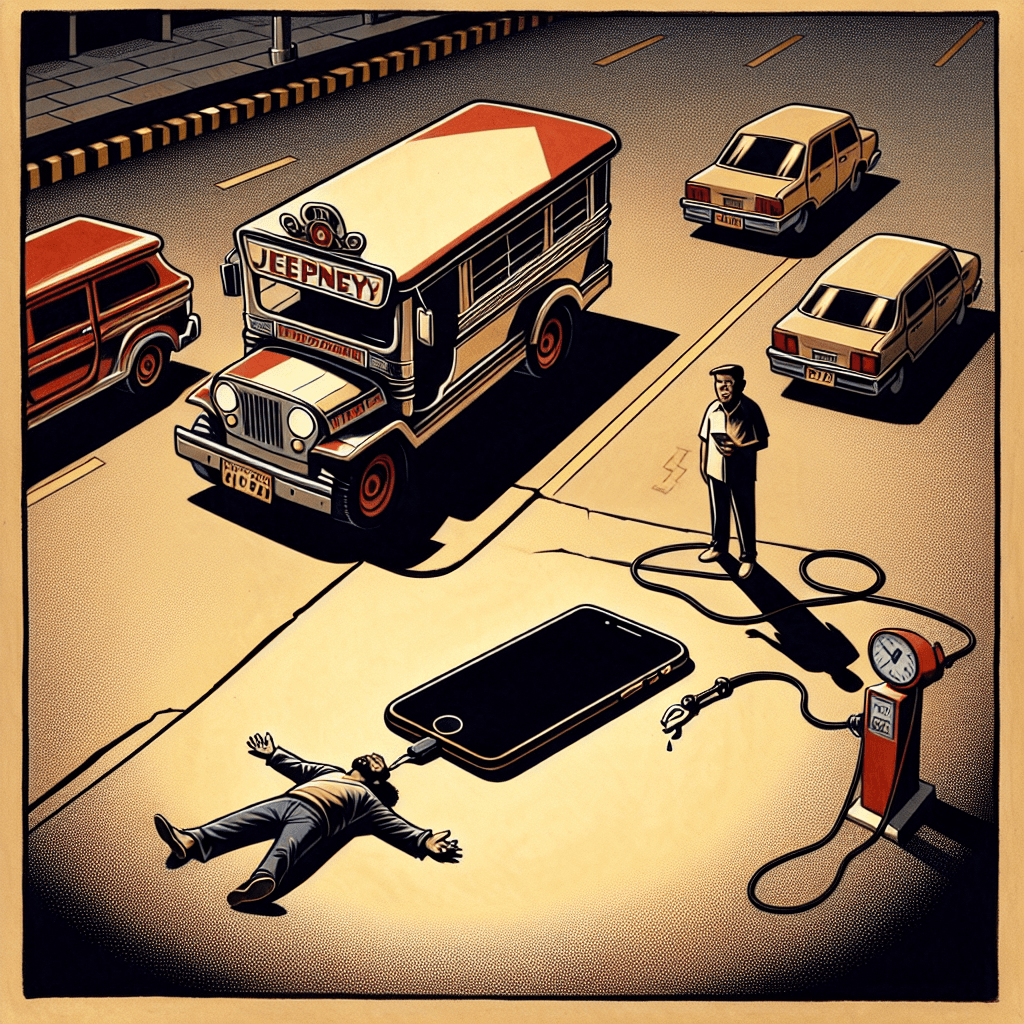
Ride-hailing, jeepney drivers launch 2-day strike
Quick Take
- Ride-hailing drivers and transport groups reportedly plan a two-day strike this week, halting some bookings and disrupting travel across multiple regions.
- Commuters face limited options during the work week while drivers protest unresolved issues around wages, fuel costs, and platform policies.
- Watch whether government mediates or lets the strike run its course—and whether this becomes a monthly pattern.
Transport groups say drivers will refuse bookings and mount a two-day protest this week as transport demonstrations spread beyond Metro Manila.
The Grab app may feel emptier than usual starting Wednesday. So will the streets in parts of Luzon, Visayas, and Mindanao where jeepney and bus drivers have joined what organizers are calling a coordinated two-day transport strike, according to reports.
When the Apps Go Quiet
Ride-hailing and TNVS drivers reportedly announced they would stop accepting bookings for 48 hours, joining traditional transport groups already planning their own work stoppage. The strike affects not just Metro Manila but extends to regional hubs where both app-based and conventional drivers have found common cause. No specific passenger numbers have been released, but the timing—midweek, when commuters have no weekend cushion—suggests organizers chose their moment deliberately.
The immediate trigger varies depending on who you ask. For jeepney operators, it’s the ongoing modernization program and the debt it requires. For ride-hailing drivers, it’s the combination of high fuel prices, platform commissions that haven’t budged, and what they describe as one-sided policies that favor the companies over the people behind the wheel.
The Weight That’s Been Building
This isn’t the first transport strike Filipinos have lived through, and it won’t be the last. What makes this one worth noting is the alignment: when drivers who own their vehicles and drivers who work through apps both decide to stop on the same days, the message isn’t just about one policy or one platform. It’s about the whole structure.
Fuel prices have climbed sharply in recent weeks. As of the March 6 to 9, 2026 price cap period set by the Department of Energy, diesel ranged from ₱49.00 to ₱66.59 per liter nationwide, while some Metro Manila pumps in mid-March were already posting diesel at around ₱56.74 to ₱59.74 per liter, according to DOE-monitored and industry reports. For a jeepney driver who burns through 20 liters a day, that can mean about ₱1,135 to ₱1,195 in daily fuel costs alone. For a ride-hailing driver working 12-hour shifts, fuel can still eat up a large share of gross earnings before platform fees.
And yet the fare structures haven’t moved. Jeepney base fares remain pending government review, while ride-hailing apps adjust their algorithms and drivers report lower per-kilometer rates and longer waits between bookings. The math stops working.
On top of that sits the jeepney modernization program, which requires operators to either buy new Euro-4 compliant vehicles—often around ₱1.6 million to ₱2.8 million each, depending on the model—or exit the industry. Many drivers are still paying off loans from the last time they were told to upgrade. The program has noble goals: cleaner air, safer vehicles, better working conditions. But the financing options remain out of reach for drivers whose daily take-home is ₱500 on a slow day.
What This Means for Your Morning Commute
If you rely on Grab or a jeepney to get to work, Wednesday and Thursday will require a backup plan. Expect longer waits for the few drivers still operating. Expect surge pricing if you do find a ride. Expect crowded MRT and LRT stations as passengers shift to rail.
For those in provinces where jeepneys are the primary—sometimes only—public transport option, the disruption cuts deeper. Students miss classes. Market vendors lose a day of sales. Hospital visits get delayed.
There is no confirmed nationwide alternative being offered yet. In past transport strikes, the government has deployed libreng sakay vehicles and added buses and trains, but as of this writing no specific emergency bus service plan for this week’s two-day strike has been publicly detailed in the reports cited here. Local government units in some cities have coordinated with tricycle drivers to absorb overflow, but tricycles can’t cover long distances and their fares run higher.
If you’re a driver yourself, the calculus is different. Joining the strike means losing two days of income you probably can’t afford to lose. Not joining means crossing an informal picket line and risking the ire of fellow drivers whose frustration has been simmering for months. Kung tutuusin, it’s a lose-lose dressed up as a choice.
Editor’s Take
Transport strikes are easy to dismiss as inconvenient theater until you sit with the numbers drivers are working with. A jeepney operator paying roughly ₱1,135 to ₱1,195 a day in fuel alone at current diesel prices, before boundary and other operating costs, pulling in ₱1,800 on a good day, has very little left to cover food, rent, and the loan on a vehicle the government says is already obsolete. A ride-hailing driver who works 70 hours a week and takes home less than minimum wage after expenses reportedly isn’t striking for fun. They’re striking because the system has made it impossible to do anything else. And when the apps go quiet and the jeepneys stay parked, the rest of us get a two-day reminder of how fragile the whole arrangement really is. Maybe that’s the point.
Sources
Ride-hailing drivers will stop bookings to join 2-day strike — Rappler
Transport strikes disrupt travel in regions amid protests — Inquirer
2-day transport strike set this week — Philippine Star
DOE sets new fuel price caps through March 9 — Philippine Information Agency
Ride-hailing firms respond to fuel price surge with immediate support for driver-partners — Philippine Star
Piston eyes transport strike this month — Philippine Star
Here’s why Manibela is holding a 3-day jeepney strike — Philippine Star