Taal sulfur emissions rise as PH braces for extreme heat
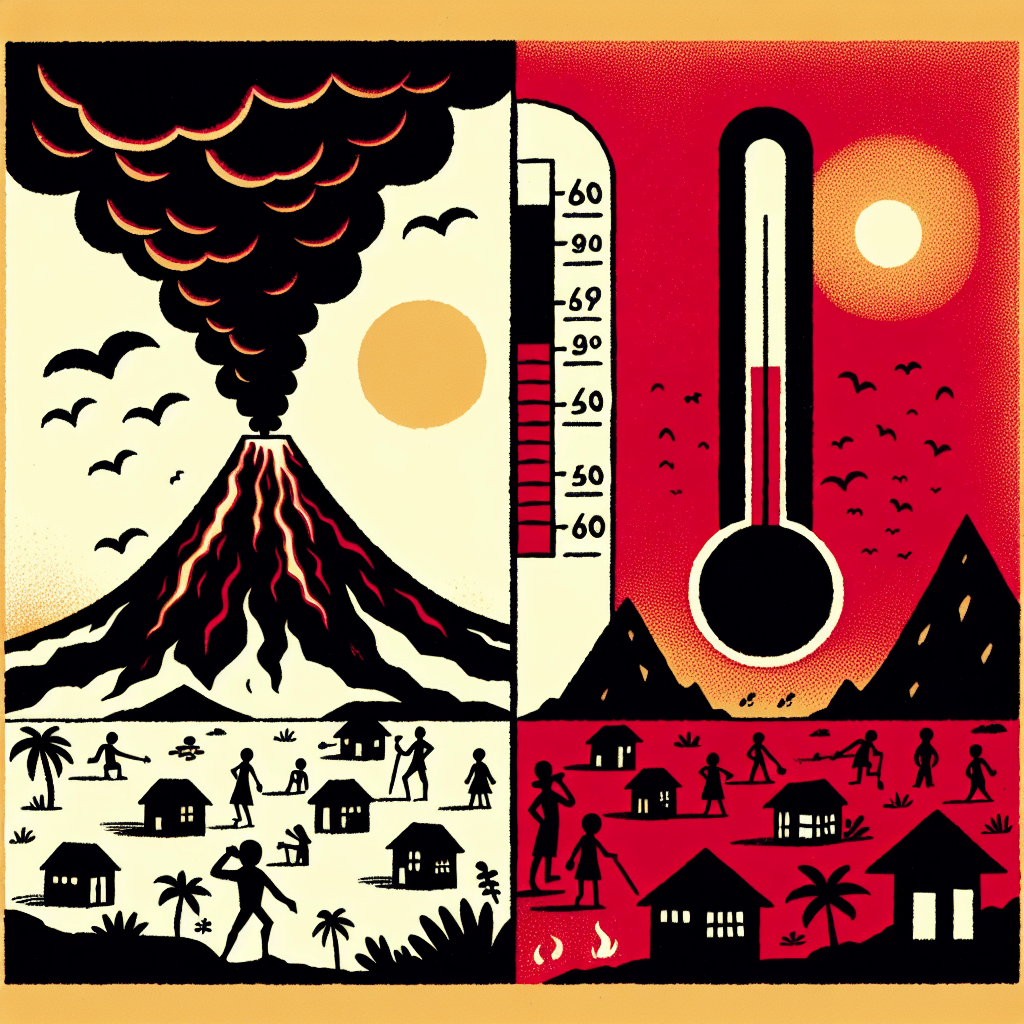
Quick Take
- Taal Volcano recorded a slight uptick in sulfur dioxide emissions while seismic activity remains low, according to PHIVOLCS monitoring.
- The increase comes as PAGASA warns of dangerously high heat index readings across the country on Thursday, March 26 — two separate natural threats converging on the same week.
- Watch for updated alert levels from PHIVOLCS and heat advisories from PAGASA as both agencies monitor conditions that could affect travel, agriculture, and daily routines.
Two natural warnings arrive in the same week — one volcanic, one atmospheric.
The numbers came quietly. Taal Volcano’s sulfur dioxide output ticked upward in recent monitoring, enough for PHIVOLCS to note it but not enough to raise the alert level. Seismic activity stayed low. On paper, nothing dramatic.
The Volcano That Never Really Sleeps
Taal has been restless since its January 2020 eruption displaced thousands across Batangas and blanketed Metro Manila in ashfall. Since then, the volcano has cycled through periods of elevated gas emissions, minor earthquakes, and stretches of relative calm. Each uptick gets logged. Each one gets watched.
Sulfur dioxide is the tell. Volcanic gas emissions like SO₂ can increase when magma or hot fluids move beneath the surface, making it one of the key parameters PHIVOLCS monitors. A slight increase doesn’t mean an eruption is imminent, but it indicates changes in volcanic activity that warrant close monitoring. PHIVOLCS has kept Taal at Alert Level 1 since late 2021, indicating low-level unrest and that the volcano remains under close monitoring.
The pattern is familiar to anyone living within or near Taal’s designated danger zones. You learn to read the language of the volcano: steam plumes, sulfur smell carried by the wind, the occasional tremor that rattles the dishes. You learn to keep a go-bag ready even when the news says everything is fine.
When Heat Becomes a Hazard
And yet, this week’s bigger immediate threat may not be volcanic at all. PAGASA reportedly issued warnings for a soaring heat index on Thursday, March 26, with several areas expected to hit “danger” levels — the kind of heat that causes heat exhaustion, heat cramps, and heat stroke with prolonged exposure.
The heat index measures what the temperature actually feels like when you factor in humidity. In the Philippines, high humidity can push the heat index significantly above the actual temperature — for example, a 33°C reading may feel like over 40°C under certain conditions. That’s the range where outdoor work becomes dangerous. Where classrooms without ventilation turn into ovens. Where the elderly and the very young are advised to stay indoors — advice that assumes everyone has access to indoors worth staying in.
For farmers in Batangas already watching Taal, the heat adds another layer of risk. Crops stressed by volcanic soil conditions now face scorching temperatures. Fishermen working Taal Lake — with access typically restricted near the main crater and within the permanent danger zone under Alert Level 1 — must decide whether the catch is worth the heat exposure.
What This Means If You’re in the Affected Areas
If you live near Taal: keep monitoring PHIVOLCS updates, especially if you’re within the permanent danger zone around the main crater. The sulfur increase alone doesn’t require evacuation, but it’s a reminder that the volcano remains active. Have your emergency kit updated — water, masks (for ash, not just COVID), flashlight, battery-powered radio, copies of documents.
If you’re anywhere in the path of Thursday’s extreme heat: limit outdoor activity between 10 a.m. and 4 p.m. Drink water even if you don’t feel thirsty. Check on neighbors who live alone. If you work construction, delivery, or any job that keeps you outside, take breaks in the shade. Heat stroke doesn’t announce itself — by the time you feel dizzy, you’re already in trouble.
For OFWs with family in Batangas or other high-heat-index areas: a quick Viber call reminding lola to stay indoors isn’t overreacting. Neither is sending load so they can run the electric fan without worrying about the bill.
Editor’s Take
Two warnings in one week — one geological, one meteorological — and both require the same thing: paying attention when nothing looks wrong yet. Taal’s sulfur uptick won’t make headlines the way the 2020 eruption did, and Thursday’s heat advisory will get lost in the noise of daily weather reports. But this is how disasters actually announce themselves in the Philippines: not with sirens, but with data points that seem minor until they’re not. The volcano is still awake. The heat is still dangerous. And the people living under both threats are still deciding, every single day, whether to worry or get on with it. Kung tutuusin, that’s been the national mood for years now — vigilance disguised as routine.
The real test isn’t whether we can respond to the big explosion or the record-breaking heatwave. It’s whether we can take the small warnings seriously enough to act before they become big ones.
Sources
Taal Volcano logs slight rise in sulfur emissions; seismic activity low — Inquirer
PAGASA warns of soaring heat index across PH on March 26 (Thursday) — Inquirer
Taal Volcano 24-hour observation bulletin, showing Alert Level 1 restrictions on entry and boating on Taal Lake — PHIVOLCS
Taal Volcano 24-hour observation bulletin, showing 804 tonnes/day SO₂ flux on Feb. 27, 2026 and low seismicity on March 1–3, 2026 — PHIVOLCS