Fuel runs dry in Cordillera; DOLE rushes ₱1.2B aid
Quick Take
- Multiple gas stations across parts of the Cordillera region reportedly ran dry as fuel supplies tightened, even as vegetable prices unexpectedly dropped in local markets.
- The government rushed to deploy ₱1.2 billion in emergency funds while Filipinos faced closed pumps and uncertain commutes.
- Watch whether this supply crunch spreads beyond the highlands — and whether DOLE’s billions actually reach the workers who need them most.
Government scrambles as gas stations close, but vegetable farmers see prices fall despite transport woes.
The pumps went quiet first in Baguio, then across the mountain provinces. One by one, gas stations in the Cordillera reportedly hung “No Fuel” signs while jeepney drivers idled outside, calculating whether they had enough diesel to make it home.
The Mismatch Nobody Expected
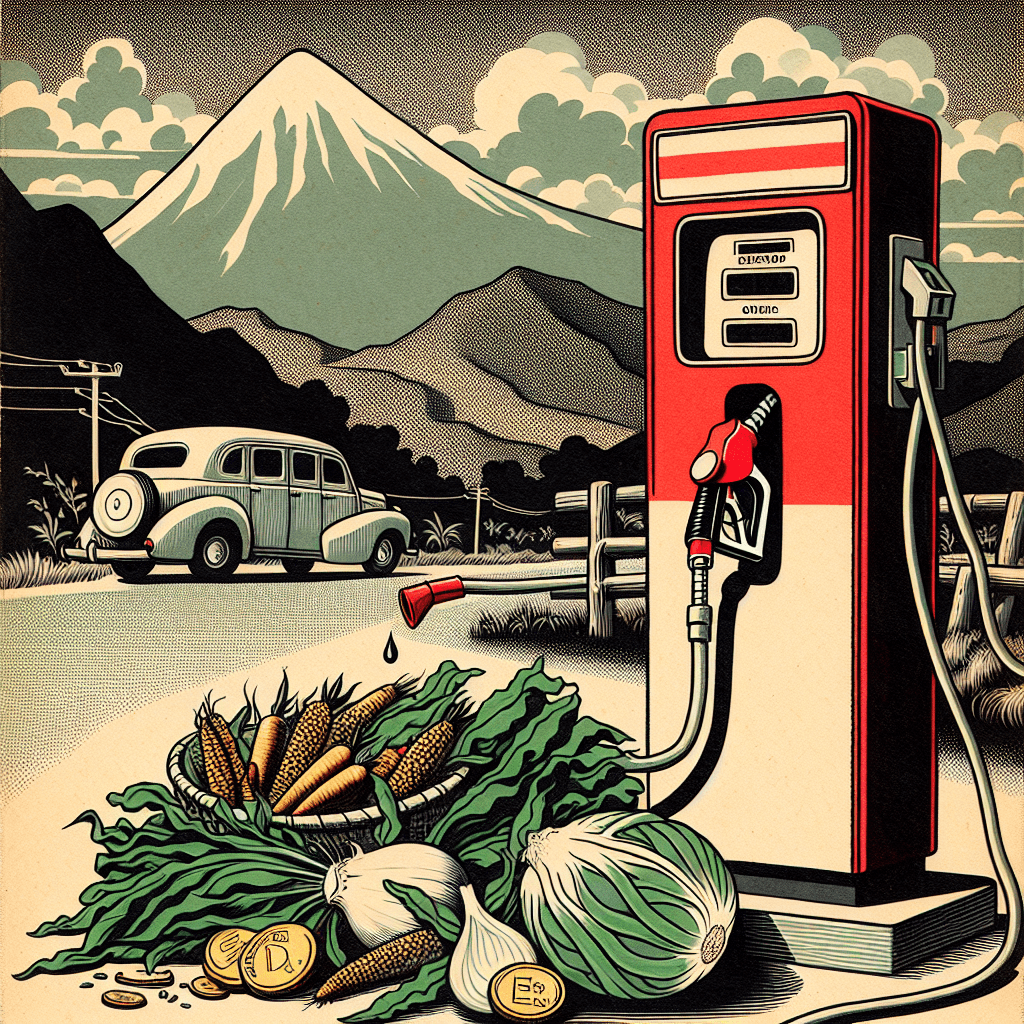
Gas stations shuttered. Truckers stalled mid-route. And yet vegetable prices — the one thing you’d expect to spike when transport costs soar — dropped instead.
The contradiction highlights growing strain in the supply chain. Farmers in Benguet and Mountain Province harvested their usual loads of lettuce, carrots, and cabbage. But with fewer trucks running and deliveries reportedly disrupted as fuel supplies tightened, produce piled up at farm gates. This likely led to localized oversupply at the source, which may have pushed vegetable prices lower in some markets, even as transport costs rose. The Philippine Statistics Authority said Cordillera vegetable production rose 4.6% to 432,068.1 metric tons in 2024, with Benguet accounting for 91.2% of the region’s output.
It’s the kind of market failure that benefits no one. Farmers lose income. Traders lose margins. Consumers get a temporary bargain that won’t last once the supply crunch eases — or once farmers stop planting altogether because the math no longer works.
₱1.2 Billion on Standby
The Department of Labor and Employment announced it had ₱1.2 billion ready to deploy. The fund reportedly targets workers hit hardest by the oil crisis — transport drivers, delivery riders, and the informal sector that runs on razor-thin fuel budgets.
DOLE Secretary Bienvenido Laguesma called it a “safety net.” The real question is how fast that net can actually catch people. Past emergency funds have taken weeks to disburse, tangled in paperwork and verification requirements. A jeepney driver who can’t afford to fill his tank today doesn’t need ₱3,000 next month — he needs it tomorrow morning before his first run.
And ₱1.2 billion sounds substantial until you divide it across an estimated hundreds of thousands of affected workers. For example, if distributed across 500,000 workers, that’s about ₱2,400 each. Enough for two full tanks, maybe three. Enough to survive a week, not a prolonged crisis.
What This Means If You Drive, Deliver, or Depend on Either
If you’re in Metro Manila, you haven’t felt this yet. Fuel is still flowing in the capital, even if prices make you wince. But if you’re in the Cordillera — or anywhere outside the main supply corridors — your choices narrowed sharply this week.
Jeepney and tricycle drivers are cutting routes, refusing trips that don’t guarantee a return fare. Delivery riders are clustering closer to city centers, leaving outer barangays underserved. Families with private vehicles are rationing trips, combining errands, carpooling with neighbors they barely know.
The DOLE fund, if it reaches you, reportedly requires application. That means government IDs, proof of livelihood, and access to a DOLE office or online portal. For informal workers — the ones who need it most — that’s already a barrier. No payslip, no employer, no paper trail means no aid, unless DOLE softens its requirements fast.
Beyond that, there’s no workaround. You either have fuel or you don’t. You either qualify for aid or you wait. Kung tutuusin, the system wasn’t built for speed.
Editor’s Take
This is what happens when a fuel supply chain built for volume, not resilience, hits a single choke point. The Cordillera crisis is a warning shot — not because it’s the worst we’ll see, but because it’s the first. If one region can run dry while the capital hums along, the infrastructure is more fragile than anyone wants to admit. DOLE’s ₱1.2 billion is a band-aid, and everyone knows it. The real test is whether the government uses this moment to fix the underlying fragility, or just waits for the headlines to fade. Emergency funds are easy; supply security is not.
Sources
Fuel crisis hits Cordillera: Supplies tighten, but vegetable prices fall — Rappler
TRACKER: Closed gas stations per region due to fuel crisis — Rappler
DOLE readies P1.2 billion fund amid oil crisis — Philippine Star
CY 2024 Cordillera Vegetables Situationer — Philippine Statistics Authority
DOLE Secretary Bienvenido Laguesma profile and office references — Department of Labor and Employment