Peso hits ₱60 to dollar as fuel, power costs squeeze families
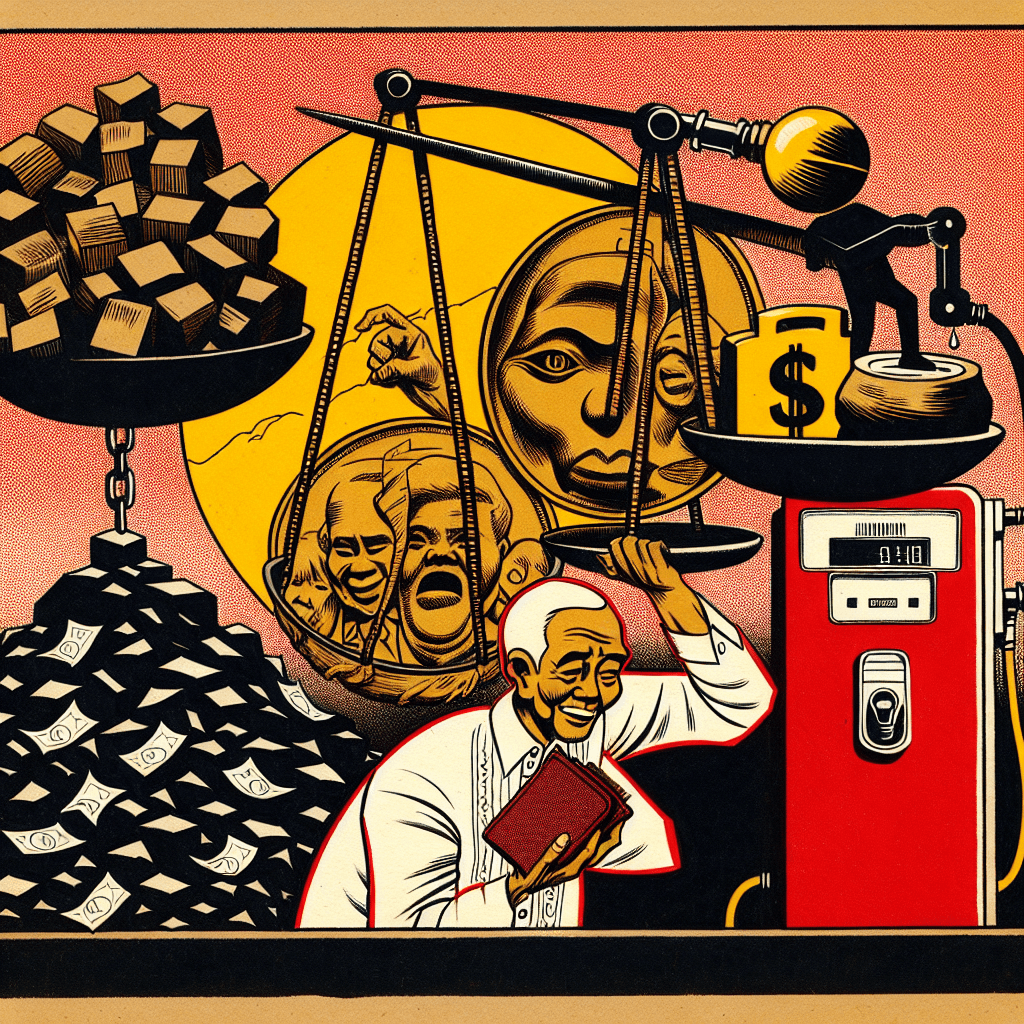
Quick Take
- The Philippine peso recently breached ₱60 to $1, fuel prices continue to rise, and President Marcos is reportedly relying on coal imports to help stabilize electricity supply.
- Every OFW remittance now has less real purchasing power, jeepney and public transport fares are climbing, and energy policy choices could lock in higher costs for years.
- Watch whether the Bangko Sentral intervenes, how transport groups respond to the next fuel hike, and what happens when coal import contracts are finalized.
Three Crises Arrived Quietly — But Your Wallet Already Knows
The peso crossed ₱60 to the dollar, a record low in recent trading. For the Philippines’ 2.16 million OFWs (Philippine Statistics Authority, 2023), this means every dollar sent converts to more pesos. A $500 monthly padala that used to convert to roughly ₱28,000 now converts to about ₱30,000. That sounds better — but rising prices for rice, electricity, and transport offset the gains.
Fuel prices have been steadily rising, prompting some motorists to switch to bicycles and public transport — not as a lifestyle choice, but as a budget decision (Rappler, March 2026).
Coal remains a key part of the energy mix. President Marcos is reportedly counting on imports to stabilize power supply (Inquirer, March 2026), even as neighboring countries expand renewable energy. As of January 2024, coal accounted for 12.1 GW of installed capacity in the Philippines (Department of Energy).
The three numbers that tell the story
₱60 – the peso’s recent level against the US dollar. While conversion math suggests remittances yield more pesos, inflation and rising prices erode real purchasing power.
Rising fuel costs – tracking global oil prices, taxes, and tariffs. Many Filipinos are recalculating commuting options due to higher transport costs.
Coal capacity: 12.1 GW – The Philippines continues to rely on coal for baseload power, ensuring steady electricity supply but keeping the country exposed to import costs, global price shocks, and environmental concerns.
Who made these decisions, and when
The peso’s decline is influenced by multiple factors. The Bangko Sentral ng Pilipinas (BSP) has kept interest rates high to fight inflation, which helps support the peso and control inflation, but slows borrowing and growth. BSP Governor Eli Remolona Jr. has indicated that interventions are primarily for sharp or disorderly currency swings — not gradual depreciation like the recent ₱60 level.
Fuel prices track global oil markets, domestic taxes, and private sector pricing discretion. The government temporarily suspended excise tax hikes last year, but rising international prices continue to be passed down to consumers.
Coal imports are a policy choice. The Department of Energy emphasizes coal for “baseload power” — the steady electricity that hospitals, factories, and homes rely on. Renewables like solar and wind are intermittent, making coal a dependable option for now. However, relying on imported coal increases exposure to global price fluctuations and environmental concerns.
What this means tomorrow morning
For OFWs and their families: Remittances still convert to more pesos, but higher prices mean budgets are tighter. ₱30,000 may no longer stretch as far across rent, groceries, and tuition.
For commuters: Rising fuel and transport costs may push more people to switch to buses or other alternatives. Some already have, and the trend could accelerate.
For electricity consumers: Higher coal import costs, combined with a weaker peso, are likely to affect generation charges, which will appear in monthly bills within the next few months (Meralco, DOE).
Individual budgeting can help, but the peso’s value is set by larger economic forces. No personal strategy can fully insulate against these trends.
Editor’s Take
The government often treats these issues — currency, fuel, and energy — as separate problems. They are deeply interconnected:
- A weak peso increases fuel costs.
- Higher fuel costs push up the price of goods and transport.
- Electricity costs rise when imported coal is priced in dollars.
These combined pressures hit families already budgeting tightly. President Marcos inherited some challenges: a strong global dollar and high oil prices are beyond Manila’s control. But coal reliance is a domestic choice. While the rest of Southeast Asia is gradually shifting toward renewables, the Philippines is doubling down on imported coal, locking in higher costs and emissions for years to come.
The lights may stay on — but the bill will hurt.
Sources
Philippine peso all-time low at P60 to $1 | The wRap — Rappler
As fuel prices rise, some motorists opt for active, public transport — Rappler
Marcos counting on coal imports for stable power — Inquirer
2023 Overseas Filipino Workers (Final Results) — Philippine Statistics Authority
DOE response on PH dependency on coal-fired power — Department of Energy
BSP Governor says intervention depends on disorderly swings — Philstar
Meralco generation charge context — Meralco/DOE reports